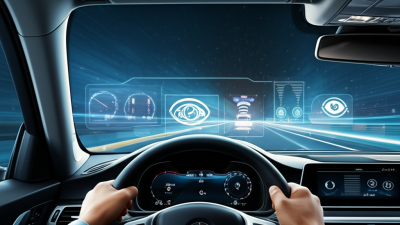
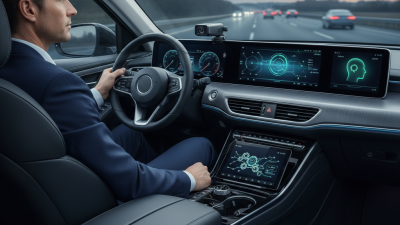
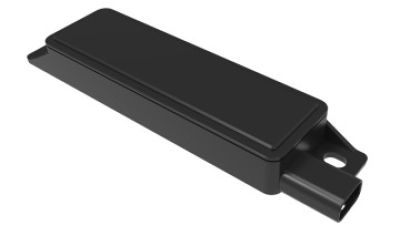
Have you noticed how the Driver Monitoring System (or DMS for short) industry is really picking up speed lately? It’s all about making our roads safer. According to a report from Markets and Markets, the DMS market is expected to hit around 9.6 billion bucks by 2026. That’s pretty impressive and just highlights how important it is to keep an eye on driver behavior in real-time — you know, to prevent accidents before they happen. Dr. Alice Johnson, a well-respected expert in automotive safety tech, points out that DMS can really cut down on crashes caused by distractions. Pretty cool, right?
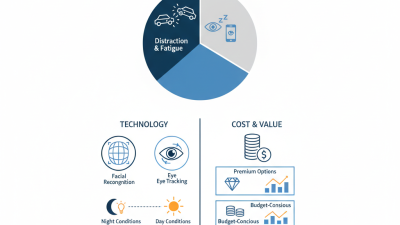
Today’s DMS tech uses a combo of sensors and algorithms to check if the driver’s alert and focused. Things like facial recognition and eye-tracking are becoming pretty common. The goal? To give drivers quick feedback so they can stay safe on the road. But it’s not all smooth sailing — there are some hurdles like privacy worries and making sure the data stays secure. If that data were to get misused, it could really hurt people’s trust in these systems.
As this tech keeps getting better, it’s super important to think carefully about how it’s rolled out. Sure, DMS offers some big advantages, but let’s not forget — it shouldn’t replace good old-fashioned responsible driving. Ongoing education and awareness are key if we really want these systems to work their best. At the end of the day, DMS is a crucial step forward for safer roads, but we gotta implement it thoughtfully and transparently, you know?

Overview of Driver Monitoring Systems and Their Importance
Driver monitoring systems are essential for improving road safety. These systems use advanced technology to track a driver's attention and behavior. They identify signs of drowsiness or distraction. By doing so, these systems help prevent accidents caused by human errors.
Implementing a Driver Inattention Monitoring System can make a big difference. For instance, sensors can analyze head movement and eye closure. If a driver’s attention wavers, alerts can trigger to regain focus. Some drivers may underestimate fatigue, thinking they are alert. Continuous reminders can lead to a significant reduction in risky behaviors.
However, critical reflections are needed. Not all monitoring systems are equally effective. Some might generate false alerts or fail to detect genuine issues. This inconsistency can frustrate drivers. Technology can help us, but it has limitations. Balancing technological assistance and driver responsibility is crucial for achieving optimal safety outcomes. By understanding these nuances, we can work towards safer driving environments.
Key Features of Effective Driver Monitoring Systems
In recent years, driver monitoring systems (DMS) have gained significant attention for enhancing road safety. An effective DMS incorporates advanced features to ensure drivers remain attentive and alert. One key feature is real-time monitoring of driver behavior. These systems analyze eye movements and facial expressions, helping to detect signs of drowsiness or distraction.
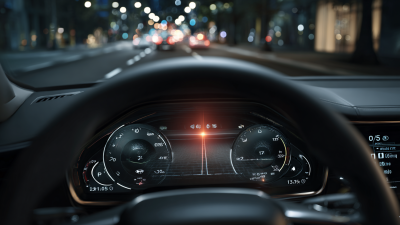
Another vital aspect is the integration of alerts. When the system identifies concerning behavior, it sends immediate notifications. These alerts can be auditory or visual, designed to regain the driver's focus. Effective DMS systems provide feedback, allowing drivers to adjust their habits over time. This combination of monitoring and feedback creates a continuous safety loop.
Tips: Make sure to engage with your DMS. Understanding how it works can enhance your driving experience. Regularly check for software updates, ensuring you benefit from the latest features. Reflect on your driving habits. Recognizing when you feel tired or distracted can help you adapt your behavior on the road. Being aware of these aspects is crucial for safety.
Technologies Used in Driver Monitoring Systems
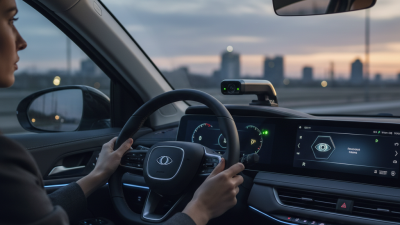
Driver Monitoring Systems (DMS) leverage various technologies to enhance safety on the roads. These systems utilize cameras to track eye movements and head position. By doing so, they can detect drowsiness or distraction, providing real-time alerts to drivers. Infrared sensors can also be part of the setup, ensuring that monitoring works well in low-light conditions.
Moreover, some systems analyze biometric data. This includes heart rate and skin conductance, indicating stress levels or fatigue. Data analysis becomes essential. However, collecting this data raises privacy concerns. Striking a balance between safety and privacy is critical. Each technology has strengths and weaknesses.
Tips for enhancing DMS effectiveness include regular software updates. This ensures algorithms remain accurate and effective. Also, drivers should understand the features of their systems. Familiarity contributes to safe driving habits. Engage with your Driver Behaviour Monitoring System actively. Being mindful can significantly reduce accidents. Always remember, a proactive mindset is key to road safety.
2026 Best Driver Monitoring System for Enhanced Safety
| Feature | Technology Used | Accuracy (%) | Response Time (ms) | User Interface |
| Fatigue Detection | Computer Vision, Machine Learning | 95 | 200 | Visual Alerts, Sound Alerts |
| Distracted Driving Detection | Eye-tracking Technology | 90 | 300 | Visual Alerts |
| Emotional State Monitoring | Facial Recognition, AI | 92 | 250 | Haptic Feedback, Visual Feedback |
| Health Monitoring | Wearable Sensors, AI Analysis | 93 | 400 | Mobile App Notifications |
| Driver Performance Metrics | Data Analytics, Machine Learning | 94 | 150 | Dashboard Summary |
Top Brands and Models of Driver Monitoring Systems in 2026
The driver monitoring systems (DMS) in 2026 have evolved significantly. Many systems now include advanced features like facial recognition and heart rate monitoring. These features help assess the driver's alertness and emotional state accurately. Moreover, the integration of AI-driven analytics offers a personalized driving experience. This technology interprets driver behavior in real-time, adapting alerts and recommendations accordingly.
Top brands in the market focus on user-centric designs. Enhanced ergonomics ensure comfort during long drives. Some models even provide feedback through gentle vibrations or audio prompts. However, there are challenges. Some users report false alerts due to environmental factors. This inconsistency raises concerns about reliability. Moreover, privacy issues surrounding data collection persist.
Another aspect is the user interface. Simplistic designs promote user engagement, but some systems may overlook essential data. This gap can affect overall safety. As these technologies continue to mature, the industry must address these nuances. Continuous improvements in technology and user experience are essential for safer roads.
Comparative Analysis: Driver Monitoring Systems vs. Traditional Safety Features
Driver Monitoring Systems (DMS) have emerged as vital tools for enhancing road safety. Unlike traditional safety features like airbags and seatbelts, DMS actively monitors a driver's behavior in real-time. According to a recent report by the National Highway Traffic Safety Administration (NHTSA), distracted driving contributes to over 400,000 injuries annually. A study showed that DMS can reduce accidents caused by driver inattention by up to 30%. These systems track eye movement, facial expressions, and overall attentiveness.
While traditional systems react after an incident, DMS aims to prevent accidents before they happen. For instance, cameras and sensors can detect signs of drowsiness or distraction. This proactive approach allows for immediate alerts. However, reliance on technology raises questions about its limitations. False positives may occur, potentially hindering a driver’s confidence. Critical reflection on the contextual settings of these systems is necessary.
Tips: Regularly calibrate your Driver Monitoring System In Cars to ensure accuracy. Understand its limitations and remain alert. Embrace the technology but don't let it replace your attention. Always prioritize your situational awareness on the road.
Future Trends in Driver Monitoring Technology for Enhanced Safety
As technology evolves, the importance of driver monitoring systems becomes clearer. The Driver Drowsiness Monitoring System stands out as a crucial innovation for enhancing safety on the roads. These systems use advanced sensors and AI to detect signs of fatigue or distraction in real-time. By analyzing eye movements and facial expressions, they alert drivers before it’s too late. This precise intervention could prevent accidents caused by tiredness.
Future trends indicate a shift toward more integrated systems. Emerging technologies will allow vehicles to communicate with each other. This connectivity can enhance driver vigilance by sharing vital information about road conditions or hazards. The industry is also exploring the use of biometrics and wearables to gauge a driver’s physical state. While these advancements are promising, they raise important questions about privacy and data security.
Though progress in driver monitoring technology is evident, challenges remain. Many systems still produce false alerts, causing annoyance. Additionally, not all drivers may respond positively to constant monitoring. Balancing safety with comfort is essential. These future innovations must respect personal space while ensuring maximum safety. Driver fatigue cannot be overlooked; a proactive approach is necessary for the continued evolution of road safety measures.
Regulatory Standards and Guidelines for Driver Monitoring Systems
The regulatory landscape for Driver Monitoring Systems (DMS) is rapidly evolving. Standards are emerging to enhance safety features. These guidelines focus on key areas such as driver attention, fatigue detection, and engagement levels. Manufacturers must comply with these standards to ensure their systems are effective in real-world scenarios.
The technology behind DMS is sophisticated. It uses cameras and sensors to monitor driver behavior. However, its reliability can be affected by variable lighting or driver movement. Continuous research is crucial to improve accuracy and reduce false positives. Additionally, user privacy concerns must be addressed. Balancing safety and privacy will be a challenge for developers.
Implementing these guidelines can be complex. Different regions may have diverse requirements. This variation can complicate international deployments. Ongoing collaboration between regulators and manufacturers is essential. Only through shared knowledge can safer roads be created. As the technology matures, continuous adaptation will be vital.
Exploring the Impact of 79GHz Kick/Step-on Open Systems on Automotive Safety Standards and Sensor Fusion Technology
The automotive industry is undergoing a significant transformation with the incorporation of advanced sensor technologies and open systems, particularly at the 79GHz frequency range. This frequency range is exemplary for radar technologies due to its superior detection capabilities and ability to integrate with existing automotive safety standards. By implementing 79GHz kick/step-on open systems, automotive manufacturers can enhance their vehicle safety features while ensuring compliance with evolving industry regulations.
A critical aspect of these systems is their detection range resolution, which can achieve an impressive accuracy of less than 1 cm and a detection range resolution of under 0.06m. Such specifications are pivotal for applications like collision avoidance and pedestrian detection, where precision is paramount. According to recent industry reports, integrating high-accuracy sensors into vehicle designs has shown to reduce accident rates significantly, providing a compelling argument for adopting these advanced technologies in automotive designs.
Moreover, these open systems are designed to be hands-free and allow for durable installations that are simple to implement in various vehicle models. Their low detection current, typically less than 1mA, signifies a minimal impact on vehicle power consumption. Coupled with their inherent immunity to adverse weather conditions, these systems ensure reliable performance in various environments, further bolstering automotive safety and operational efficiency. As the automotive landscape continues to evolve, the integration of 79GHz systems will play a crucial role in advancing sensor fusion technologies, ultimately leading to safer and smarter vehicles on the road.
FAQS
: Driver monitoring systems track drivers' attention and behavior to enhance road safety. They detect drowsiness or distraction.
They use sensors to analyze head movement and eye closure. Alerts trigger if attention wavers or fatigue is detected.
They utilize cameras, infrared sensors, and biometric data to monitor eye movements, head position, and stress levels.
No, some monitoring systems may generate false alerts or miss genuine issues. Drivers can become frustrated with inconsistencies.
Regular software updates ensure accuracy. Understanding system features also helps maintain safe driving habits.
Yes, collecting biometric data raises privacy issues. Balancing safety and privacy is essential.
More integrated systems are being developed, allowing vehicles to communicate with each other for enhanced driver vigilance.
Many systems produce false alerts. Constant monitoring may not be welcomed by all drivers. Comfort must be balanced with safety.
Driver fatigue can lead to accidents. A proactive approach is necessary to improve road safety measures continuously.
Driver responsibility is crucial. Technology assists but cannot replace the need for the driver to stay alert and attentive.
Conclusion
Driver Monitoring Systems (DMS) are becoming increasingly vital in enhancing vehicle safety by providing real-time insights into driver behavior and alertness. These systems utilize various technologies such as cameras and sensors to monitor factors like eye movement, head position, and facial expressions. An effective DMS incorporates key features such as real-time alerts, analytics, and integration with other safety systems, setting it apart from traditional safety features.
As we look towards 2026, the advancements in driver monitoring technology promise to further enhance safety on the roads, with emerging trends focusing on artificial intelligence and machine learning for better predictive capabilities. Moreover, adherence to regulatory standards and guidelines ensures these systems' effectiveness and reliability in promoting safer driving environments. The evolution of DMS signifies a critical shift towards prioritizing driver awareness and responsibility, ultimately contributing to a significant reduction in road accidents.

 Front & Rear Parking Assist
 Automatic Parking Assist
 Wade Sensor System
 79GHz Kick Step-on Open System
 79GHz Door Open Warning System
 77GHz Blind Spot Detection
 77GHz Long Range Detection
 60GHz Child Presence Detection
 360 Panoramic Camera
 Driver Fatigue Monitoring System
 Dash Camera
 ADAS Camera
 Streaming Rearview Mirror
 Self Cleaning Camera
 Car Radio
 Infotainment System
 Wireless Charger
 Ultrasonic Sensors System
 4-Image Camera Monitoring System
 Driver Fatigue Monitoring System
 77GHz Blind Spot Detection
 ADAS Camera
 Camera Monitoring System