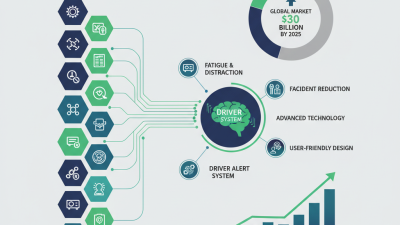
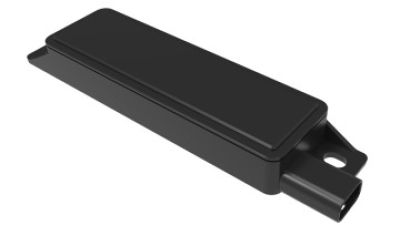
In today's fast-changing world of road safety tech, having a solid Driver Fatigue Warning System is more important than ever. According to research from the National Highway Traffic Safety Administration, about 20% of all car accidents are due to driver fatigue—that’s a huge deal. It really shows why we need better systems to spot when drivers are getting too tired and help prevent crashes.
Experts like Dr. Emily Vargas from the Safety and Mobility Research Institute often highlight how crucial these systems are. She says, “A reliable Driver Fatigue Warning System can genuinely save lives by giving drivers a heads-up before fatigue becomes a real danger.” It’s clear that technology is playing a key role in keeping our roads safer by keeping tabs on how alert drivers are.
Of course, there are still some hurdles, especially when it comes to getting these systems into all types of vehicles. Also, a lot of drivers aren’t fully aware of just how risky fatigue can be. So, part of the fight is making sure people know how to use these systems and understand their importance. Moving forward, we need to keep innovating and working together to make roads safer with smarter tech solutions.
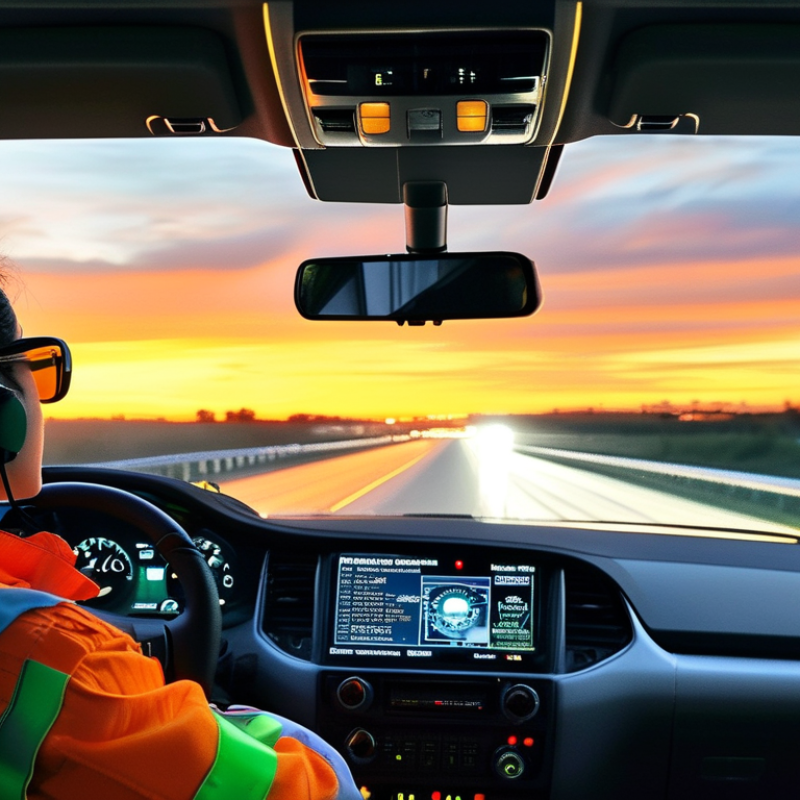
What is Driver Fatigue and its Impact on Road Safety?
Driver fatigue is a growing concern in road safety. Fatigue can significantly impair a driver’s ability to focus, react, and make sound decisions. Long hours behind the wheel lead to decreased alertness. This is particularly visible during late-night drives or after continuous driving without breaks.
Research shows that drowsy driving can be as dangerous as drunk driving. Symptoms of driver fatigue include heavy eyelids, frequent yawning, and difficulty recalling the last few miles driven. These signs are alarming indicators of a potential accident. The risk increases dramatically when drivers ignore their fatigue. Many do not recognize how tired they truly are until it’s too late.
Innovative fatigue warning systems can help address this issue. These systems can monitor driver behavior and alert them before fatigue leads to dangerous situations. However, such technology should not replace personal responsibility. Drivers must be proactive in assessing their own alertness and take breaks when necessary. Balancing awareness and technological support is essential for enhancing road safety in the future.
Impact of Driver Fatigue on Road Safety
Overview of Current Driver Fatigue Warning Systems in Use
Driver fatigue is a serious issue on the roads today. Many systems aim to detect signs of drowsiness among drivers. These systems use various technologies to monitor behaviors like eye movement and head position. They can provide real-time feedback if a driver shows signs of fatigue. This alerts drivers and encourages them to take necessary breaks.
Current driver fatigue warning systems are diverse. Some rely on facial recognition technology, while others use steering pattern analysis. Each system has strengths and drawbacks. For example, constant monitoring can be intrusive. Some drivers may feel uneasy under constant watch. Additionally, the accuracy of these systems can vary. Some may give false alarms, causing frustration.
OEM Driver Fatigue Warning System is an important innovation. These systems are integrated into vehicles, enhancing safety seamlessly. However, there is still room for improvement. Systems must balance functionality with user comfort. The challenge lies in refining technology to ensure it is reliable yet unobtrusive. As research progresses, the goal is to create an ideal warning system that truly helps prevent fatigue-related accidents.
Key Features of Effective Driver Fatigue Detection Technology
Driver fatigue is a critical issue on roads today. Advanced technology can help mitigate dangers associated with drowsy driving. Effective driver fatigue detection technology employs several key features to enhance safety.
One important aspect is real-time monitoring. Systems equipped with facial recognition can assess a driver’s alertness by analyzing eye movements and facial expressions. If a driver's eyelids begin to droop, the system can issue immediate alerts.
Another significant feature is physiological monitoring. Wearable devices can track heart rate and sleep patterns. This information provides insights into the driver’s current state.
However, technology alone is not foolproof. There are challenges to overcome, such as variations in individual responses to fatigue. Some drivers may not react to alerts, while others might experience false alarms. Incorporating additional feedback mechanisms can improve these systems. For instance, integrating a feedback loop based on individual driver behavior may enhance the reliability of driver fatigue warning systems.
The pursuit of safer driving practices continues, supported by innovations in technology, such as Wholesale Driver Fatigue Warning System solutions.
Advancements in Technology for 2026 Driver Fatigue Warning Systems
Driver fatigue remains a significant concern for road safety. According to the National Highway Traffic Safety Administration (NHTSA), drowsy driving contributes to about 100,000 crashes annually in the U.S. This alarming statistic underscores the urgency for advanced Driver Fatigue Warning Systems in vehicles. By 2026, technological advancements promise to enhance efficacy in detecting fatigue levels.
Recent studies highlight that integrating artificial intelligence and machine learning can greatly improve these systems. For instance, an ODM Driver Fatigue Warning System utilizes facial recognition and eye-tracking technology. This approach identifies signs of fatigue, like blinking patterns and head position changes. Early models have shown effectiveness in reducing fatigue-related incidents by up to 25%. Such improvements emphasize the potential for advanced systems to save lives.
Incorporating biometric sensors can further personalize responses. These sensors analyze heart rate and skin temperature, offering insights into driver fatigue. However, challenges remain in ensuring accuracy and minimizing false alerts. Drivers might ignore alerts if they perceive them as unreliable. Addressing these concerns with continuous research is essential to achieve better safety outcomes by 2026.
Comparison of Leading Driver Fatigue Warning Systems on the Market
Driver fatigue is a serious issue on the road. In recent years, many systems have entered the market to combat this danger. These systems use a variety of technologies to monitor driver behavior. They can detect signs of drowsiness through facial recognition, steering patterns, and even eye movements. This variety allows for personalized solutions, but not all systems are equally effective.
Some systems alert drivers with audible warnings or vibrations. Others may offer a summary of the driver's alertness levels throughout a journey. Features can include real-time feedback, which helps drivers adjust their habits on the spot. Visual cues might show when to take breaks. However, some systems may struggle with false positives or fail to engage when truly needed.
What works for one driver might not work for another. Reliability is crucial; systems should adapt to different driving styles. Also, a cheap solution may not deliver the necessary accuracy. Investing in a well-tested product is wise, but consumers must thoroughly research before deciding. Engaging with user reviews and expert recommendations will lead to better choices. Ultimately, the goal is to improve safety and reduce the risks associated with driver fatigue.
Regulatory Standards and Safety Guidelines for Fatigue Warning Systems
Driver fatigue is a significant concern on the roads. According to the National Highway Traffic Safety Administration (NHTSA), drowsy driving accounted for approximately 20% of fatal crashes in the U.S. in 2020. This alarming statistic highlights the urgent need for effective fatigue warning systems. Regulatory bodies are increasingly focusing on establishing standards to improve safety.
Current guidelines suggest that fatigue warning systems should utilize advanced monitoring technologies. These include driver behavior analysis and physiological indicators. Research from the European Commission emphasizes that systems able to detect eyelid closure and head position can reduce fatigue-related accidents by up to 30%. However, many systems still lack precision, potentially leading to false alerts. Striking the right balance between sensitivity and specificity remains a challenge for developers.
Adopting comprehensive safety standards is essential. The International Organization for Standardization (ISO) has begun drafting guidelines for fatigue monitoring devices. These guidelines aim to ensure reliability across different driving environments. Nevertheless, the implementation of consistent regulatory frameworks is still in progress. Stakeholders must address discrepancies in monitoring techniques to achieve meaningful advancements. As more data emerges, the need for continual reflection and adaptation in established standards will be critical for enhancing road safety.
Future Trends in Driver Fatigue Management and Safety Innovations
As the automotive industry evolves, driver fatigue remains a significant concern. Reports indicate that drowsy driving contributes to nearly 20% of all road accidents. This alarming figure highlights the urgency for effective solutions. A Driver Fatigue Warning System can help prevent tragedies caused by tired drivers. However, these systems must integrate advanced technology to be truly effective.
Current trends in driver fatigue management focus on sensors and analytics. Systems that monitor eye movement and facial expressions are becoming common. By assessing real-time data, these systems can alert drivers before fatigue leads to errors. A recent study found that implementing these technologies can reduce accidents by up to 40%. Yet, it is essential to continually refine these systems to keep pace with evolving driver behaviors.
Tips:
Stay alert while driving by taking regular breaks. Lack of sleep can greatly increase your risk of fatigue. Even the best Driver Fatigue Warning System will not replace the need for personal responsibility. If you feel tired, it’s safer to stop and rest. Remember, safet comes first.
As more companies in the automotive sector explore innovative fatigue management tools, collaboration with a reliable Driver Fatigue Warning System Supplier is crucial. Organizations must ensure their systems are tested and proven to reduce risks effectively. Future safety innovations will rely on solid partnerships and ongoing advancements in technology.
Innovative Solutions for Enhanced Mobility: Exploring the 79GHz Kick/Step-on Open System
The exploration of innovative solutions for enhanced mobility has led to the development of the 79GHz Kick/Step-on Open System, which offers remarkable advancements in detection technology. This system features a detection range resolution of less than 0.06 meters, ensuring precise responses even in varying conditions. The impressive detection range accuracy, with less than 1 centimeter deviation, further adds to its reliability, making it a perfect choice for an array of applications where precision is crucial.
In addition to its technical prowess, the Kick/Step-on Open System has been designed with user experience in mind. The device operates with a detection current of less than 1mA, ensuring low power consumption while maintaining high performance. Its hands-free operation offers unparalleled convenience, allowing users to interact with their environment without the need for manual controls. Furthermore, its durable construction guarantees performance in challenging weather conditions, making it highly reliable regardless of the external environment. This combination of features not only enhances mobility but also promotes seamless interaction with technology, paving the way for smarter and more efficient systems.
FAQS
: Driver fatigue detection technology enhances safety by minimizing risks associated with drowsy driving.
Real-time monitoring uses facial recognition to assess alertness by analyzing eye movements and facial expressions.
Wearable devices track heart rate and sleep patterns, providing insights into a driver's current state of alertness.
No, they can face challenges like individual response variations and false alerts, which can undermine their effectiveness.
Integrating feedback based on individual driver behavior may enhance the reliability of detection systems.
Regulatory standards aim to improve safety by addressing the need for advanced monitoring technologies in fatigue warning systems.
Features include driver behavior analysis, physiological indicators, and tools for detecting eyelid closure and head position.
Developers struggle to balance sensitivity and specificity, as systems may produce false alerts or miss actual fatigue signals.
Continual reflection is vital for adapting standards based on new data, ultimately enhancing road safety.
Effective systems can reduce such accidents by identifying signs of driver fatigue, potentially decreasing incidents by up to 30%.
Conclusion
Driver fatigue is a significant concern for road safety, leading to impaired reaction times and increased accident risks. The article explores the importance of Driver Fatigue Warning Systems, which are designed to detect signs of drowsiness and alert drivers to prevent potential incidents. It provides an overview of existing systems, their key features, and the advancements anticipated in 2026 that will enhance their effectiveness.
The comparison between various systems highlights the innovative technologies being integrated, such as advanced sensors and AI algorithms. Additionally, the discussion includes the regulatory standards governing these systems and the emerging trends in driver fatigue management. By understanding these aspects, stakeholders can better recognize the vital role of Driver Fatigue Warning Systems in improving road safety and adopting more effective safety measures for the future.

 Front & Rear Parking Assist
 Automatic Parking Assist
 Wade Sensor System
 79GHz Kick Step-on Open System
 79GHz Door Open Warning System
 77GHz Blind Spot Detection
 77GHz Long Range Detection
 60GHz Child Presence Detection
 360 Panoramic Camera
 Driver Fatigue Monitoring System
 Dash Camera
 ADAS Camera
 Streaming Rearview Mirror
 Self Cleaning Camera
 Car Radio
 Infotainment System
 Wireless Charger
 Ultrasonic Sensors System
 4-Image Camera Monitoring System
 Driver Fatigue Monitoring System
 77GHz Blind Spot Detection
 ADAS Camera
 Camera Monitoring System