Leave Your Message
0%

Driver fatigue can sneak up on you during long shifts—sometimes quietly. Maybe you notice a missed glance, a slightly slower reaction, or you keep correcting your lane more than usual—that's often an early sign things might be off. For fleet managers, catching these little signals before things get serious really matters. And that’s where a Driver Fatigue Detection System can make a big difference.

By 2026, the best systems are doing more than just sounding alarms. They might use driver-facing cameras, analyze steering patterns, or monitor other signals from the vehicle to spot when someone’s less alert. Some send in-cab warnings; others provide fleet managers with event reports and tools to review incidents. But, just knowing about these features isn’t enough—performance on the road can be affected by things like night glare, sunglasses, rough roads, or even camera placement. And let’s not forget, false alarms can be super frustrating for drivers, so it’s important to honestly look at these limitations instead of pretending they don’t exist.

This guide walks you through seven different options for fleets, paying attention to how they detect fatigue, how they alert drivers, reporting capabilities, ease of installation, and whether they’re compatible with your existing setup. It also explains how clearly vendors communicate about how they handle data and how well the systems actually perform. Those details are super important—don’t just rely on a slick dashboard or fancy features. No device can replace good scheduling, proper driver training, or essential rest breaks. Results will depend on your vehicle, road conditions, and other factors, so treat this list as a starting point. It’s a good idea to test out the systems in real fleet conditions before making your final decision.
7 Best Driver Fatigue Detection Systems for Fleets in 2026

What Driver Fatigue Detection Systems Do for Fleet Safety

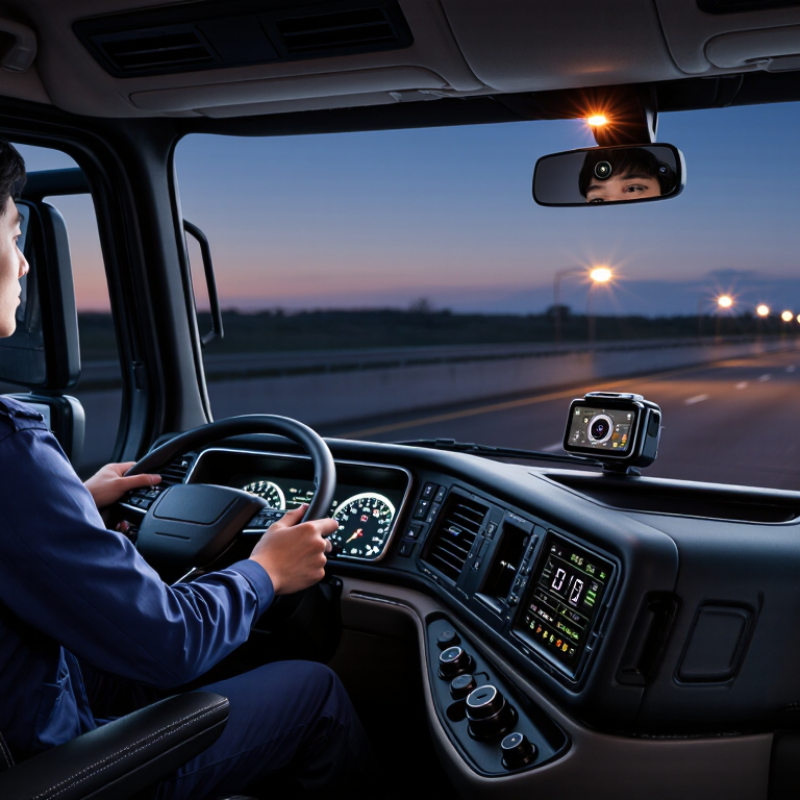
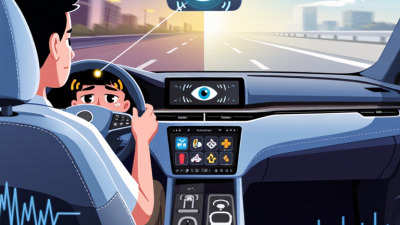
Driver fatigue detection systems help fleets notice signs of reduced alertness before a driver’s attention slips too far. Depending on the setup, sensors or an in-cab camera may track eye closure, head position, or unusual steering patterns. A warning might sound during a quiet night shift, when heavy eyelids and a drifting lane position are easy to miss.

The alert gives drivers and fleet teams a chance to respond. A driver can pull over somewhere safe, take a break, or report feeling unfit to continue. Fleet managers can review repeated alerts alongside shift schedules and route demands. This may reveal patterns, such as fatigue reports clustering after long overnight runs. Timely intervention matters. But a warning is not proof that someone is unsafe, and it should not replace a real conversation.

These systems also have limits. Glare, sunglasses, road vibration, or a poorly positioned camera may affect readings. An alert can feel irritating when the driver is already focused; that reaction deserves attention, not dismissal. Technology does not fix tight schedules or replace adequate rest. Clear procedures help: explain what triggers alerts, protect driver privacy, and decide who follows up. Small operational changes can matter. A calmer schedule may prevent more fatigue than another dashboard notification.

What Driver Fatigue Detection Systems Do for Fleet Safety

U.S. property-carrying driver hours-of-service limits provide context for fatigue monitoring. These are regulatory limits—not thresholds that determine whether a driver is fatigued.

Fatigue detection systems can flag signs such as prolonged eye closure or distraction and help fleets respond with coaching or rest breaks. They complement, rather than replace, hours-of-service compliance and driver judgment. Standard FMCSA limits shown; exceptions may apply. Source: FMCSA hours-of-service summary.

How Fatigue Detection Technologies Identify Driver Risk

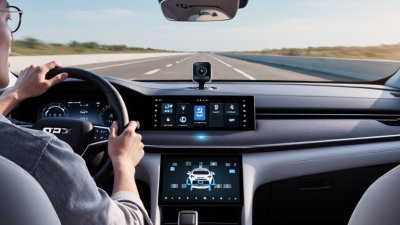
Fleet fatigue systems do not measure tiredness directly. They infer risk from patterns. In-cab cameras can track prolonged eye closure, gaze direction, and head position, while vehicle sensors monitor lane movement and steering corrections. Small signals matter. A single glance away may mean nothing; repeated long blinks paired with drifting can justify an alert.

The scale of the risk is clear. NHTSA estimated that drowsy driving was involved in 91,000 police-reported crashes in 2017, causing about 50,000 injuries and 795 deaths. The agency warns these figures may be undercounted. A 2018 AAA Foundation analysis of naturalistic driving data estimated fatigue was involved in 9.5% of crashes and 10.8% of more serious crashes. These reports show why fleets need more than self-reported driver check-ins.

Better systems evaluate changes over time, then send a discreet in-cab warning or flag repeated events for fleet review. Yet an alert is not a diagnosis. Sunglasses, night glare, road vibration, or a driver checking mirrors can confuse camera-based detection. Calibration matters. So does context: a brief alert on a rough road should not carry the same weight as repeated eyelid closures and lane drift. Human review remains useful, though it can be inconsistent. That limitation deserves attention, not concealment.

Criteria for Evaluating Fleet Fatigue Detection Systems

A fleet fatigue detection system should be judged by what it can reliably detect, not by a feature list. Check whether it monitors eye closure, repeated yawning, head position, or other signs, and ask how performance changes at night, in bright sunlight, or when drivers wear glasses. Request clear information about testing conditions and missed alerts. A camera view blocked by a sun visor can make an impressive feature less useful. So can frequent false alarms. That matters.

Evaluate how alerts fit real driving work. A brief, clear warning may be more useful than a loud alert that distracts or startles a driver. Check whether fleet managers can review event timestamps and patterns without turning isolated signals into proof of fatigue. Look at device uptime, installation needs, data access, and support response times. Run a small pilot across different vehicles and routes, then compare system alerts with driver feedback and observed conditions. No system reads every situation perfectly; a tired driver may show few visible signs, while ordinary glances can trigger an alert. Record those mismatches before setting fleet-wide expectations.

Profiles of Seven Leading Systems for Fleets in 2026

Fleet buyers can compare seven system profiles by the risk each one detects. NHTSA estimated that drowsy driving contributed to 91,000 police-reported crashes in 2017, with about 50,000 injuries and 795 deaths. The agency notes these cases are difficult to identify, so reported figures may understate the problem.

Camera-based systems monitor eyelid closure, gaze, and yawning; they work best with a clear view of the driver.
Steering-pattern systems flag drifting or erratic corrections, but rough roads can trigger alerts.
Wearable sensors track pulse or movement, offering personal signals, though drivers may find them uncomfortable.
Seat-based sensors measure posture and related cues without requiring a wearable. Useful, but not definitive.

Sensor-fusion systems combine camera and vehicle data to reduce reliance on one signal. Telematics platforms look for fatigue-linked patterns across trips, helping managers spot recurring risks. An OEM Driver Fatigue Detection System can connect alerts with existing vehicle displays and controls.

FMCSA’s Large Truck Crash Causation Study identified fatigue in about 13% of studied truck crashes; the study is older, and it cannot predict an individual driver’s risk. Test alerts on night routes, not just in daylight. No score captures every shift.

Comparing Features, Integrations, and Operating Costs

Fleet buyers should compare detection accuracy, alert timing, and integration effort—not just camera features. Infrared cameras can monitor eyelid closure and gaze, while steering-pattern sensors may flag erratic driving. Ask vendors how alerts reach drivers, dispatchers, and fleet dashboards. Test the system on night routes, in glare, and with sunglasses.

FMCSA’s Large Truck Crash Causation Study identified fatigue as a factor in about 13% of crashes studied. That older sample is not a current fleet-wide risk estimate. NHTSA’s 2017 Traffic Safety Facts estimated 91,000 police-reported drowsy-driving crashes and 795 deaths; the agency cautions that fatigue is often underreported. These figures show why alerts matter, but they do not prove any product prevents crashes.

Operating costs include hardware, installation, connectivity, subscriptions, training, and time spent reviewing false alerts. Check whether the system integrates with existing telematics and electronic logs, and whether data exports require extra fees. A Wholesale Driver Fatigue Detection System may look inexpensive per vehicle, yet support and replacement costs can change the total. Request a written three-year cost model and pilot it across different vehicle types. No alert is perfect. Review missed warnings and nuisance alerts with drivers; that uncomfortable feedback can expose problems a sales demo will not.

7 Best Driver Fatigue Detection Systems for Fleets in 2026

A practical comparison of system types, features, integrations, and operating-cost considerations

System type How fatigue is detected Key features Typical integrations Operating-cost profile Best suited to Limitations to consider
1. In-cab AI camera system Uses a driver-facing camera and computer vision to identify signs such as prolonged eye closure, frequent yawning, or head position changes. Real-time in-cab alerts; configurable event thresholds; fatigue-event clips or snapshots, depending on system settings. Vehicle power; fleet telematics platform; safety dashboards; event-management workflows. Moderate recurring cost. Usually includes a camera or device, connectivity, software access, and possible video storage. Cost varies with retention settings and vehicle count. Fleets seeking direct, in-cab indications of Driver Drowsiness and reviewable safety events. Camera performance can be affected by poor placement, occlusion, lighting, eyewear, or driver acceptance. Alerts indicate possible fatigue, not a medical diagnosis.
2. Wearable fatigue-monitoring system Uses a wearable sensor to measure physiological or behavioral signals. Some systems use EEG-based measurements; others track different signals and should not be treated as equivalent. Can provide a signal independent of road markings; some designs issue alerts through a wearable or companion device. Mobile app or in-cab receiver; fleet reporting may require a separate platform or data connection. Moderate to high ongoing cost. Consider sensor replacement, charging, cleaning, fit, and the time needed to manage or maintain wearable equipment. Use cases where a fleet is willing to introduce wearable equipment and manage individual-device routines. Comfort, hygiene, adherence, and correct use affect results. Physiological signals require careful interpretation and are not a substitute for rest or fitness-for-duty procedures.
3. Steering and vehicle-behavior monitoring Looks for changes in vehicle control, such as irregular steering corrections or unusual driving patterns. These are indirect indicators rather than direct measurements of sleepiness. May use vehicle signals already available through onboard systems; can identify patterns across trips and drivers. Vehicle telematics; onboard diagnostics or vehicle data bus where supported; safety and driver-coaching software. Low to moderate incremental cost when suitable vehicle data and telematics hardware are already available. New hardware or advanced analytics can increase cost. Fleets wanting to supplement existing telematics and monitor broad driving-risk patterns. Harsh roads, weather, traffic, vehicle type, and driving style can influence signals. This approach cannot reliably confirm that a driver is fatigued on its own.
4. Lane-position and ADAS-based monitoring Uses lane-position changes or related camera/radar alerts as possible signs of reduced attention. Lane departures are not specific to fatigue. May combine fatigue-related prompts with lane-departure or forward-collision warnings when supported by the vehicle or installed equipment. Factory-installed driver-assistance features; aftermarket ADAS equipment; fleet safety reporting where data access is available. Low incremental cost if the capability is already fitted and usable. Retrofitting equipment, calibration, and integration can add cost. Fleets with vehicles that already provide suitable driver-assistance signals. Lane markings, road geometry, weather, and camera calibration affect performance. Lane alerts should be treated as supporting evidence, not a stand-alone fatigue detector.
5. Telematics-based risk scoring Uses trip, schedule, and driving data to flag elevated risk—for example, long driving periods or patterns that may warrant a fatigue check. Fleet-level trend reports; configurable thresholds; potential links to hours-of-service or dispatch processes, depending on available data. GPS and telematics platform; electronic logging or hours-of-service records where permitted; dispatch and safety-management tools. Low to moderate incremental cost when the fleet already subscribes to telematics. Costs may rise with additional analytics, data feeds, or user licenses. Large fleets seeking scalable oversight and process-based fatigue-risk management. Risk scores depend on data quality and assumptions. They do not directly observe a driver’s alertness and should not be used as a definitive fatigue determination.
6. Factory-integrated driver-monitoring system Uses in-vehicle sensors or cameras to monitor driver attention and, in some vehicles, signs associated with drowsiness. Integrated alerts and vehicle functions; installation is generally part of the vehicle configuration rather than a separate aftermarket fit. Vehicle safety systems; supported vehicle-data interfaces; fleet platform integrations where the vehicle provides access. Low incremental cost for equipped vehicles, but availability and included features vary by vehicle, model year, trim, and market. Fleet data access may have separate costs. Fleets purchasing new vehicles and able to standardize vehicle specifications. Features and data access are not uniform across vehicles. Mixed fleets may have inconsistent coverage, alerts, and reporting capabilities.
7. Multimodal fatigue-risk system Combines two or more inputs, such as in-cab camera events, driving behavior, trip duration, and schedule information, to build a broader risk picture. Can support layered alerts and fleet-level review; the value depends on how well inputs are validated and combined. Telematics; camera or vehicle signals; hours-of-service data; safety dashboards; dispatch or escalation workflows. Moderate to high operating cost. Multiple devices or data feeds, connectivity, platform licenses, storage, training, and ongoing administration can all contribute. Fleets with mature safety processes that can review alerts and act on multiple data sources. More inputs do not automatically mean higher accuracy. Integration quality, privacy safeguards, alert management, and human review are essential.

Cost and selection note: Cost profiles are relative planning guidance, not supplier quotes. Actual operating costs depend on fleet size, vehicle compatibility, hardware, connectivity, software licensing, video retention, installation, and support. Fatigue indicators should be used alongside appropriate rest, scheduling, and safety procedures.

Implementing Fatigue Detection Across a Fleet

Implementing fatigue detection across a fleet is an operating change, not just a hardware installation. Start with a small group of vehicles and routes. Include night shifts, highway runs, and stop-and-go work. A camera may perform differently when sunlight hits the cab or a driver wears tinted glasses. Record those conditions during testing.

An ODM Driver Fatigue Detection System can be configured around a fleet’s vehicles, alert settings, and reporting needs. Before expanding, check where alerts appear, who reviews them, and how quickly supervisors respond. A warning should prompt a safe check-in, not an assumption that a driver has done something wrong. Keep a record of confirmed alerts and false alarms. Both matter.

Train drivers in the cab, using the actual device and its warning sounds. Short sessions help. Ask what feels distracting. That feedback can expose problems a dashboard misses. Review alert trends weekly at first, then adjust sensitivity carefully; changing too many settings at once makes results hard to interpret. Protect access to fatigue data, and explain how it will be used. Even a well-tested system can miss signs of tiredness, so dispatch planning and rest practices still need attention.

Privacy, Accuracy, and Limitations to Consider

A Driver Fatigue Detection System can flag prolonged eye closure, repeated yawning, or a head that dips toward the steering wheel. But a camera sees behavior, not fatigue itself. In its 2022 traffic safety data, the National Highway Traffic Safety Administration recorded 693 deaths in crashes involving drowsy drivers; the agency also warns that drowsiness is difficult to identify consistently after a crash. That reporting gap matters. A system’s alert count is not proof that it prevents collisions.

Privacy deserves equal scrutiny. Ask what the inward-facing camera records, whether images leave the vehicle, who can review them, and how long data stays accessible. Prefer clear retention limits and access controls. A driver should know when monitoring is active. Small details matter: a cab camera aimed at the face can capture more than eye movement during a night shift.

Accuracy can vary with sunglasses, low light, cab vibration, and individual differences. False alerts may frustrate drivers; missed alerts create a quieter risk. Test systems across actual routes and shifts, and review alert patterns with drivers rather than treating every signal as fact. A Driver Fatigue Detection System Supplier should explain validation methods, known failure cases, and how updates affect performance. No system is perfect. That is worth saying plainly.

Ultrasonic Load-Carrying Detection Systems: Insights from the ILO’s Global Estimates on Workplace Safety

Workplace safety remains a major concern worldwide, and the ILO’s global estimates underscore the importance of preventing hazards before they lead to injuries or operational disruption. For vehicles carrying loads, uneven distribution and excessive weight can affect stability and make routine journeys more hazardous. Ultrasonic load-carrying detection systems can help operators identify these conditions early, supporting safer decisions at loading areas and during transport.

Using short-range ultrasonic detection with distance resolution of ≤1 mm, the system can monitor load conditions with high precision. When a truck is eccentric or overloaded, it can provide a timely warning so the driver can adjust the loading status. A T-box can also transmit relevant information—such as load weight, speed and location—to a remote platform, enabling real-time monitoring of truck load status. This visibility can help fleet teams respond promptly, reduce operational losses and improve traffic safety.

Designed with waterproof protection and a long service life, the system can operate in demanding environments. By combining accurate detection, alerts and remote data transmission, it gives operators a practical way to manage load-related risks as part of a broader workplace safety approach.

FAQS

What signs can a fleet fatigue detection system monitor?

It may flag prolonged eye closure, repeated yawning, or a head dipping toward the steering wheel. It observes behavior, not fatigue itself.

How should a fleet test a detection system?

Start with a small group of vehicles and routes. Include night shifts, highway runs, and stop-and-go work. Record sunlight, glasses, and cab conditions.

Can cameras work equally well in every cab?

No. Low light, sunglasses, vibration, or a blocked camera view can affect performance. A sun visor can hide the driver’s face.

What should fleet managers check before choosing a system?

Ask about testing conditions, missed alerts, false alarms, uptime, installation, data access, and support response times. Feature lists alone are not enough.

How should supervisors respond to an alert?

Use a brief warning to prompt a safe check-in. Review timestamps and patterns, but do not treat one alert as proof of fatigue.

How can fleets prepare drivers to use the system?

Train drivers in the cab with the actual device and warning sounds. Ask what feels distracting. Short sessions help.

What privacy questions should fleets ask?

Find out what the camera records, whether images leave the vehicle, who can review them, and how long data remains accessible. Set clear access limits.

Can a detection system prevent every fatigue-related risk?

No system catches every sign. Missed alerts and ordinary glances can both occur. Keep reviewing driver feedback and rest practices; alerts are not the whole answer.

Conclusion

Driver fatigue is a serious fleet safety risk, and a Driver Fatigue Detection System can help identify signs of reduced alertness before they lead to dangerous situations. These systems may use in-cab cameras, vehicle data, or other monitoring technologies to recognize indicators such as prolonged eye closure, frequent yawning, or changes in driving behavior. Alerts can prompt drivers to take a break and give fleet managers a clearer picture of fatigue-related risks.

Choosing a system involves assessing detection accuracy, alert methods, ease of use, compatibility with existing fleet tools, and ongoing operating costs. Successful implementation also depends on clear training, practical policies, and consistent communication with drivers. While these technologies can support safer decisions, they are not a substitute for adequate rest or attentive driving. Fleets should also consider privacy, data handling, and the possibility of missed or incorrect alerts when evaluating performance.
Nathan

Nathan

Nathan is a dedicated marketing professional at Zhuhai Shangfu Electric Technology Co., Ltd., where he showcases his extensive expertise in the company's innovative product offerings. With a deep understanding of the technical specifications and applications of their electric technology solutions,......
Previous How to Choose a Driver Drowsiness Monitoring System?