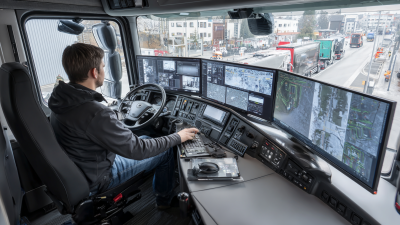
By 2026, the world of Driver Fatigue Alarmsis changing pretty quickly. Experts keep stressing how important it is to tackle driver fatigue if we wanna make our roads safer. Dr. Emily Carter, who's a top researcher when it comes to car safety, mentions, "Having innovative Driver Fatigue Alarm systems is key to preventing crashes caused by drowsiness."
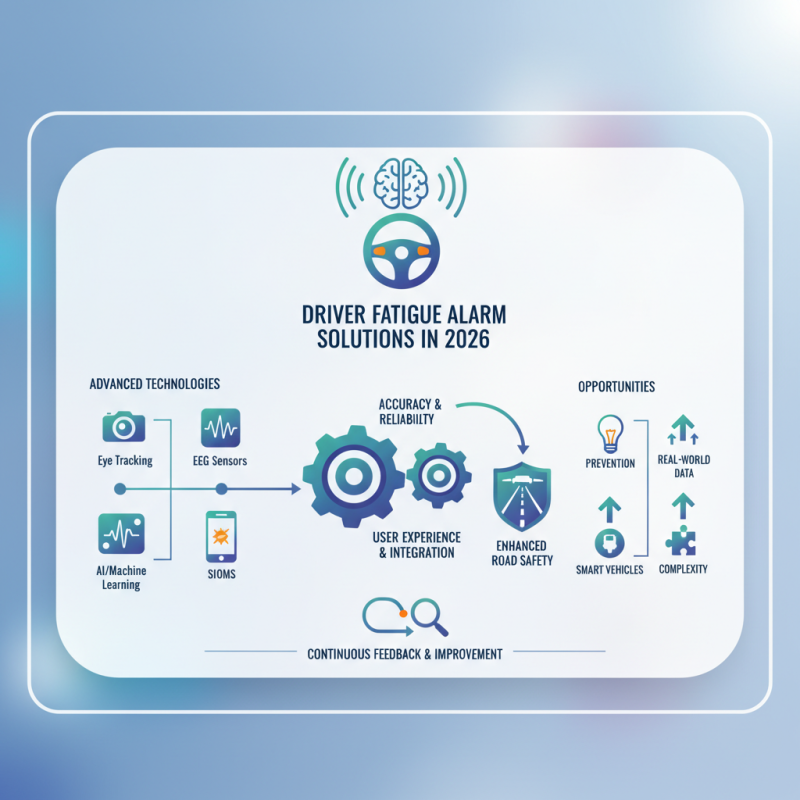
On the tech front, new developments bring both exciting opportunities and some hurdles. Things like accuracy, how easy it is for drivers to use, and how well these alarms fit with existing vehicle systems all matter a lot. As companies push forward with new ideas, they’ve gotta find a good balance—making sure these systems are advanced, but still simple enough for real drivers in real-life situations.
Of course, not every system out there can be trusted 100%—some might work well in tests but not so much on the road. That’s why it’s crucial to get feedback from drivers constantly and use it to improve these alarms. Choosing the right Driver Fatigue Alarm isn’t always straightforward because the market keeps evolving. The quest for the perfect solution is still in progress, and every step needs to be carefully considered.
Driver fatigue is a critical issue in the transportation industry, particularly in 2026. Studies indicate that drowsy driving accounts for 20% of all motor vehicle accidents. Fatigue reduces reaction times and impairs decision-making. These factors create significant dangers on the road. In 2026, the need for robust solutions to combat this issue is more essential than ever.
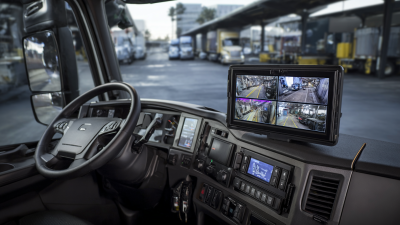
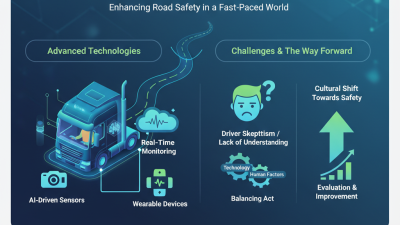
Research from the National Highway Traffic Safety Administration reveals that attentive driving can reduce crash risks significantly. Companies are developing new technologies to monitor drivers' alertness. Wearable devices and in-vehicle monitoring systems are emerging as effective tools. These systems track eye movements and brain activity to detect signs of fatigue.
However, challenges persist in driver compliance and technological adoption. Not all drivers are willing to embrace these innovations. Some even underestimate the risks of fatigue. Striking the right balance between technology and human responsibility remains a pressing concern. Education and awareness are needed alongside technological advancement. Only then can safety improve on our roads.
Driver fatigue is a serious concern in today's transportation landscape. According to the National Highway Traffic Safety Administration (NHTSA), over 100,000 crashes annually are directly linked to drowsy driving. These incidents result in approximately 1,550 fatalities each year. The impact of driver fatigue is immense, contributing to around 20% of all traffic accidents. The statistics starkly highlight the need for innovative solutions in monitoring Driver Alertness.
Recent studies indicate that fatigue-related accidents are often underreported. Many drivers may not recognize their drowsiness until it’s too late. A report from the AAA Foundation for Traffic Safety found that nearly 96% of drivers view drowsy driving as a serious threat, yet approximately 29% admitted to driving while drowsy in the past month. This dichotomy reveals a gap between awareness and behavior that is troubling.
Investing in fatigue detection technologies could be a crucial step forward. These systems can monitor physiological signs of fatigue, such as eye movement and facial expressions. Accurate data collection and analysis could significantly reduce accident rates. Continuous innovation and increased awareness are vital. Addressing this challenge requires commitment across the industry to create safer roads for everyone.
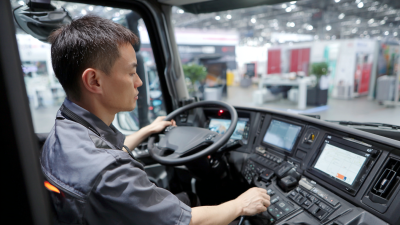
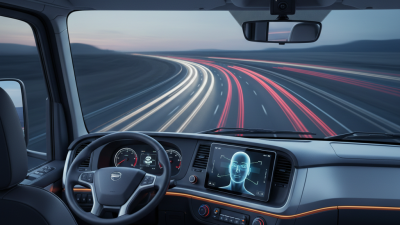
In 2026, driver fatigue detection systems will evolve greatly. Technologies such as artificial intelligence and biometric sensors will provide real-time monitoring. These advancements aim to analyze driver behavior, identifying signs of tiredness more accurately. For instance, smart cameras may monitor eyelid movement and head position, alerting drivers before accidents occur.
Tips: Consider using systems that integrate with wearables. These devices can measure heart rate variability, providing deeper insights into fatigue levels. This integration ensures data is collected in real time.
Future alarms will rely on machine learning to improve accuracy. Algorithms can learn individual drivers' patterns, offering tailored alerts. This is crucial since each driver experiences fatigue differently. A one-size-fits-all approach may not work in every scenario, illustrating the need for customization.
Tips: Ensure your chosen system allows for regular updates. As machine learning progresses, keeping software current will enhance performance and safety features. Regular updates also minimize vulnerabilities that could affect reliability.
| Solution Name | Technology Type | Detection Method | User Feedback | Cost Estimate |
|---|---|---|---|---|
| Fatigue Monitor A | Wearable Device | Heart Rate & Motion Sensors | 4.5/5.0 | $150 |
| Alert System B | Camera-based | Facial Recognition & Eye Movement | 4.8/5.0 | $250 |
| Smart Alert C | Mobile App | User Input & GPS Tracking | 4.2/5.0 | $50 |
| Driver Safety D | In Vehicle System | Steering Behavior & Lane Departure | 4.6/5.0 | $300 |
| Comprehensive Solution E | Multi-Modal System | Combination of Sensors | 4.9/5.0 | $500 |
In recent years, driver fatigue has emerged as a critical safety issue in the transportation industry. Reports indicate that nearly 20% of accidents are linked to drowsy driving. This alarming statistic underscores the need for effective driver fatigue alarm solutions. Various technologies are now available to help monitor and detect signs of fatigue, offering varying degrees of reliability and functionality.
The landscape of OEM Driver Fatigue Alarm systems includes both hardware and software solutions. Many systems utilize facial recognition and eye-tracking technology to assess alertness levels. A study by the National Highway Traffic Safety Administration (NHTSA) revealed that systems leveraging these technologies can reduce fatigue-related incidents by up to 30%. Additionally, wearable devices that track biometric data show promise, although their effectiveness is still being evaluated.
Despite advancements, no solution is perfect. Some systems may produce false alarms, which can lead to driver frustration. Others may not integrate seamlessly with existing vehicle technologies. Continuous improvement and real-world testing are essential. Industry experts emphasize the need for user-friendly designs and accurate detection algorithms. As technology evolves, so too will the strategies for combating driver fatigue. Understanding the strengths and weaknesses of each existing solution is crucial for making informed choices in 2026.
In 2026, driver fatigue alarms will be crucial in enhancing safety on the roads. These systems target commercial vehicles, where fatigue poses serious risks. User acceptance is the key metric to consider. Functionality alone is not enough; it must cater to drivers' needs and preferences. Alarm systems should engage users without overwhelming them.
Fatigue alarms often create discomfort at first. Drivers may find them intrusive or even annoying. Developing an effective alarm involves gradual adjustments. Continuous feedback from users will help improve alarm settings. This leads to a better experience and greater acceptance over time. Testing various sound levels and vibration patterns is essential.
Tips: Consider personalizing alarm features based on individual preferences. Regularly seek insights from drivers to fine-tune the systems. Ensuring that alarms notify only when necessary will boost user satisfaction. Lightweight and intuitive applications can enhance the effectiveness of these Wholesale Driver Fatigue Alarm solutions. Prioritizing user comfort is essential in making these alerts trustworthy companions on long hauls.
In 2026, regulatory trends are shaping how businesses tackle driver fatigue. Governments are becoming more proactive about managing driver health and safety. New regulations are emerging that require companies to implement comprehensive fatigue management systems. These systems often incorporate advanced technologies like monitoring devices and alert systems.
As part of these regulations, organizations must adhere to strict reporting protocols. They need data on driver performance and resting periods. This brings challenges, particularly in how organizations collect and analyze this information. Many companies are also exploring the integration of ODM Driver Fatigue Alarm systems. These alarms can alert drivers before they reach a dangerous state of fatigue. The implementation of such technology can be uneven, with some firms lagging.
Companies face a continuous struggle to stay compliant with changing laws. Furthermore, many staff members may resist new systems. Training is critical but often overlooked. Engaging drivers in discussions about these changes could improve adherence. The road ahead requires reflection and adaptation from both employers and drivers alike.
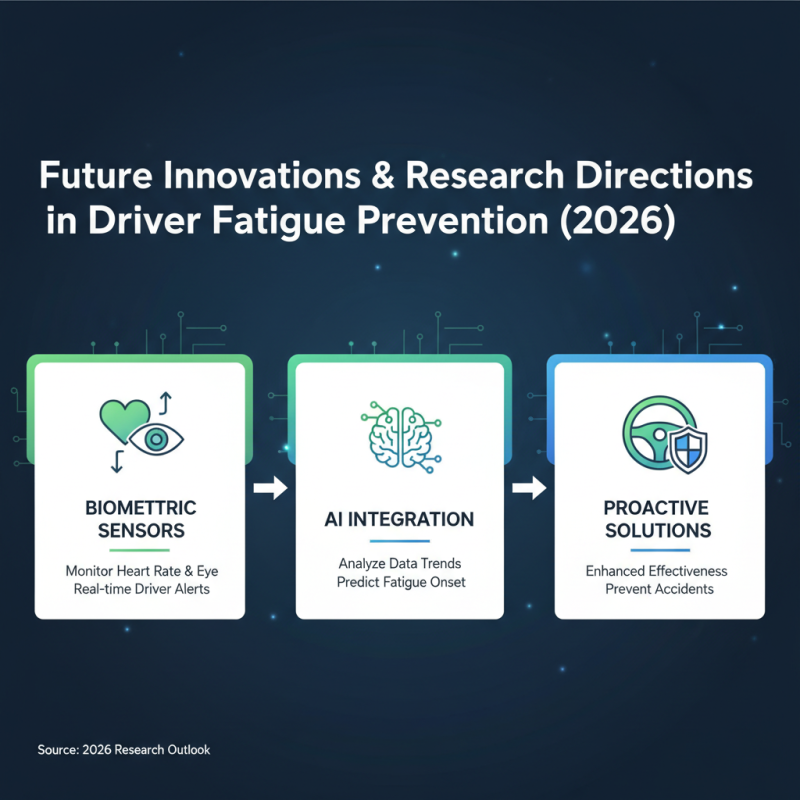
In 2026, innovations in driver fatigue alarm solutions are focused on enhancing effectiveness. Many researchers explore biometric sensors that monitor heart rate and eye movements. These technologies can provide real-time alerts to drivers showing signs of fatigue. Integrating AI with these sensors is a promising direction. AI can analyze data trends and predict fatigue onset, making responses more proactive.
Moreover, the role of Driver Fatigue Alarm Suppliers is evolving. They are collaborating with automotive manufacturers to develop seamless integration of these systems. However, despite these advancements, challenges remain. The accuracy of sensors can vary among individuals. Relying entirely on technology may lead to complacency among drivers. Regular education on fatigue management is essential, emphasizing that technology is a support tool.
Another area of focus is the user interface of fatigue alerts. Effective communication of warnings is crucial. Simple, unobtrusive alerts are more likely to be heeded. However, designers must balance alert frequency to avoid alert fatigue—the phenomenon where too many warnings lead to desensitization. Continuous feedback loops from drivers can improve these systems. Embracing user experience will push the boundaries of innovation in this critical field.
: Driver fatigue refers to reduced alertness and slower reaction times while driving.
Drowsy driving is responsible for 20% of motor vehicle accidents. Fatigue impairs decision-making and increases accident risks.
Wearable devices and in-vehicle systems monitor alertness using eye movement and brain activity tracking.
Some drivers underestimate fatigue risks or are simply unwilling to adopt new technologies.
Researchers are focusing on biometric sensors and AI to analyze fatigue patterns and alert drivers proactively.
Sensor accuracy varies among individuals, and complete reliance may lead to driver complacency.
Effective communication of alerts encourages driver response, but excessive warnings can lead to desensitization.
Regular training on fatigue management reinforces the importance of personal responsibility alongside technological tools.
Alert fatigue occurs when drivers ignore frequent warnings, making them less effective at promoting safety.
Gathering driver input helps refine alert systems, enhancing user experience and increasing effectiveness.
In 2026, driver fatigue continues to be a critical concern on the roads, significantly impacting safety and leading to a substantial number of accidents and fatalities. Current statistics reveal alarming trends in fatigue-related incidents, underscoring the urgent need for effective interventions. Emerging technologies in driver fatigue detection systems are revolutionizing the landscape, offering innovative solutions for monitoring and alerting drivers.
A comparison of existing Driver Fatigue Alarm solutions shows varied effectiveness and user acceptance, particularly in commercial vehicles where long hours often lead to decreased alertness. Regulatory trends are increasingly shaping fatigue management practices, pushing for the integration of these advanced alarm systems to enhance road safety. Future innovations and research in fatigue prevention solutions hold promise for reducing incidents caused by driver fatigue, highlighting the importance of continual development in this critical area.