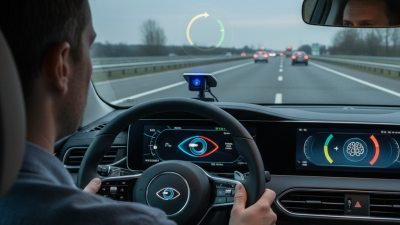
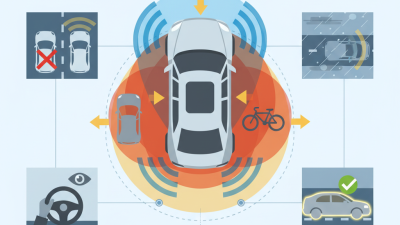
Lately, the automotive world has been going through some pretty quick upgrades when it comes to safety tech. You know, with distracted driving still being one of the main reasons for accidents, tools like the Driver Eye Monitoring System are really coming into their own as crucial safety aids. Just take a look at the 2022 report from the National Highway Traffic Safety Administration (NHTSA)—over 3,000 lives lost due to driver inattention. That’s pretty staggering and really highlights why we need innovative solutions now more than ever.
Dr. Michael R.. Grayson, who’s pretty much at the forefront of automotive safety tech, stresses how vital Driver Monitoring is. He mentions, “A solid Driver Eye Monitoring System can really cut down on accidents by catching signs of fatigue or distraction before things turn dangerous.” Incorporating these kinds of systems into our cars isn’t just a passing trend; it’s a necessary step toward safer roads.
Of course, there are some hurdles. Developing really accurate algorithms isn’t a walk in the park, and convincing folks to actually accept and trust these systems can be tricky too. Companies like EyeTech Drive are working hard to find that sweet spot—making sure the tech is precise but still comfortable and user-friendly. We’ve got to be careful, though—over-relying on tech might make drivers lazy or less attentive, which defeats the purpose. So, it’s all about using these tools wisely, making sure they support us, not replace our own vigilance behind the wheel.
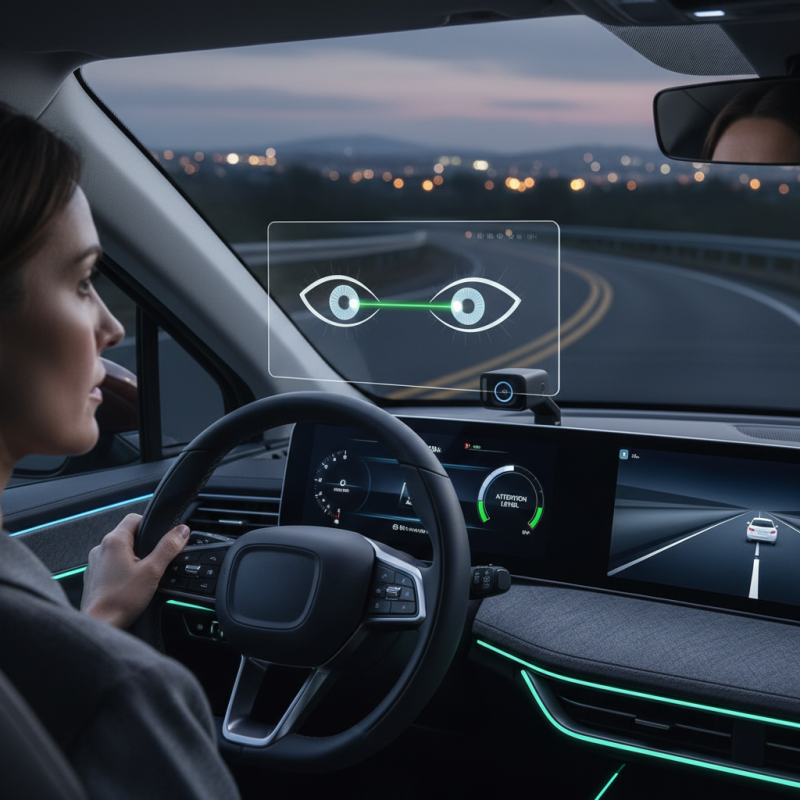
Overview of Driver Eye Monitoring Systems
Driver eye monitoring systems are essential for enhancing road safety. These systems track a driver’s eye movements and attention levels. They utilize advanced cameras and algorithms to detect drowsiness or distraction. When the system senses a lapse in attention, it issues alerts, helping drivers refocus.
Many systems adapt to individual driving styles. They learn and calibrate over time, improving accuracy. However, the technology isn't flawless. Issues can arise from poor lighting or driver behavior. In such instances, the system may fail to detect genuine risks. Continuous improvements are needed to refine their reliability and responsiveness.
The long-term efficacy of these systems relies on user trust and proper integration. Drivers should feel comfortable relying on technology while remaining aware of their own limitations. Education and awareness about these systems will play a crucial role. As these technologies evolve, so too should the training for drivers and their understanding of safety measures.
Importance of Eye Monitoring for Road Safety
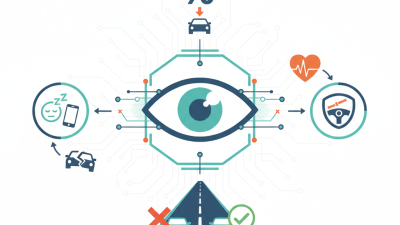
Eye monitoring systems significantly enhance road safety. According to the National Highway Traffic Safety Administration (NHTSA), drowsy driving causes approximately 100,000 crashes each year. Fatigue can impair reaction time, similar to being under the influence of alcohol. This alarming statistic underscores the need for proactive solutions like eye monitoring technology.
These systems track Driver Alertness in real-time. They can detect signs of fatigue or distraction through various methods, including eye movement and blink rate analysis. Research reveals that implementing such safety features can reduce accidents by up to20%. Eye monitoring systems provide instant alerts, offering a second chance for drivers who may not realize their diminishing attention.
However, there are challenges. Not all drivers are receptive to these technologies. Some may view monitoring as intrusive. Moreover, the effectiveness of eye-tracking can vary based on environmental factors. Lighting conditions and even drivers’ physical attributes can influence accuracy. Continuous improvements in technology are essential, yet the human aspect remains a vital part of the conversation on road safety.
Key Features of Effective Eye Monitoring Systems
Effective eye monitoring systems are crucial for enhancing road safety. A significant number of accidents are linked to driver fatigue and distraction. According to the National Highway Traffic Safety Administration (NHTSA), over 100,000 police-reported crashes are attributed to drowsy driving each year. Therefore, an efficient OEM Driver Eye Monitoring System is essential for detecting signs of fatigue and distraction in real time.
Key features of these systems include advanced facial recognition technology and real-time alert mechanisms. Technology should be able to identify eye closure duration and blink frequency. Studies indicate that an effective monitoring system can reduce accident rates by up to 30%. Additionally, integration with vehicle systems is vital. This allows for immediate notifications to the driver, ensuring that corrective actions can be taken swiftly.
However, despite technological advancements, challenges remain. Not all eye monitoring systems are equally reliable across different lighting conditions. Moreover, privacy concerns can deter adoption. As the industry progresses, addressing these issues will be critical. Balancing privacy with safety will be paramount in securing user trust while promoting the use of OEM Driver Eye Monitoring Systems.
Top Technologies Used in Driver Eye Monitoring Solutions
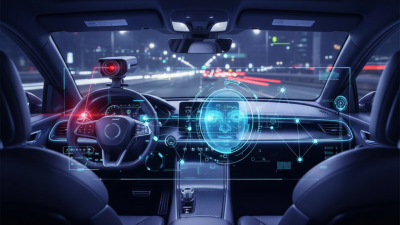
Driver eye monitoring systems are essential for enhancing road safety. These innovative technologies use advanced sensors and algorithms to track driver attentiveness. By monitoring eye gaze and blink patterns, the system can detect signs of drowsiness or distraction. This level of vigilance is crucial in preventing accidents on the road.
One key technology in these systems is infrared cameras. They capture detailed images of the eyes, providing real-time feedback on the driver’s state. Another important feature is facial recognition technology. It ensures that the system can identify the driver and analyze their behavior throughout the drive. Additionally, some solutions integrate artificial intelligence, enabling them to learn patterns over time, thereby increasing accuracy.
Ultimately, while driver eye monitoring systems promise enhanced safety, they are not foolproof. They can lead to false alerts, potentially causing unnecessary distractions. The challenge lies in refining these technologies to ensure reliability. Innovations in the field are moving forward, yet there remains room for improvement. As the industry progresses, solutions like a Wholesale Driver Eye Monitoring System will play a pivotal role in shaping safer driving experiences.
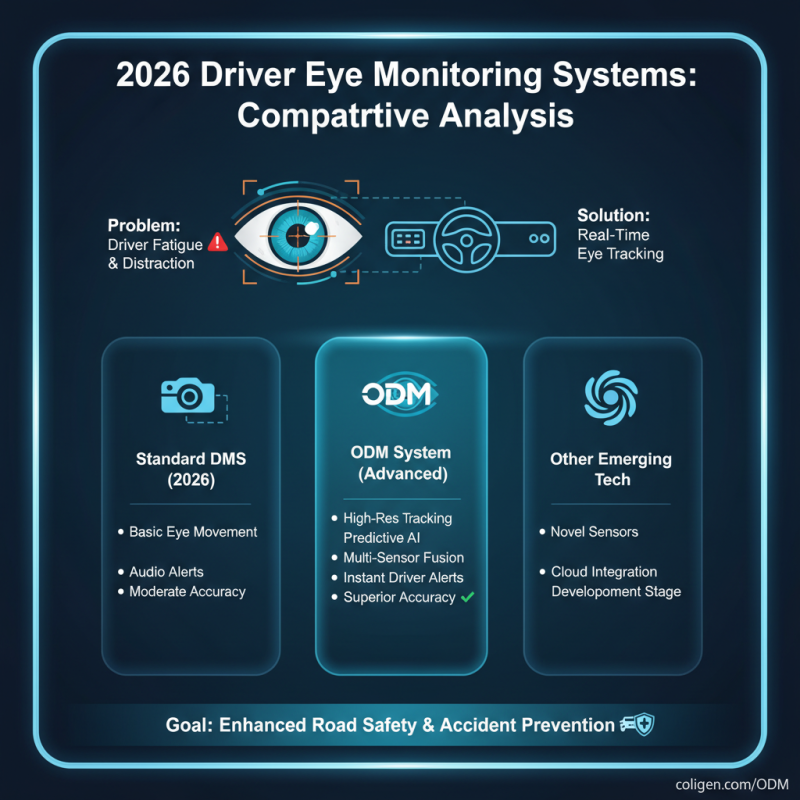
Comparative Analysis of 2026 Eye Monitoring Systems
The need for effective driver eye monitoring systems is crucial as we approach 2026. Emerging technologies focus on enhancing road safety. This is especially true for ODM Driver Eye Monitoring Systems, which serve as vital tools for accident prevention. These systems track eye movements and alert drivers to potential fatigue or distraction. Accurate real-time data is essential for ensuring drivers remain attentive.
Comparative analyses reveal distinct advantages among various eye monitoring systems. Some models offer advanced features like facial recognition and blink detection. Others excel in integration with existing vehicle systems. However, not all systems are infallible. Limitations, such as environmental factors affecting sensor accuracy, warrant scrutiny. A comprehensive evaluation should consider how these systems function under different driving conditions.
Ultimately, the best systems prioritize drivers' needs and provide reliable feedback. Users must critically assess how well these systems perform in everyday scenarios. Continuous improvements rely on real-world testing and user experiences. As we look at different options, understanding both strengths and weaknesses will guide future innovations in eye monitoring technology.
Future Trends in Driver Eye Monitoring Technology
In recent years, driver eye monitoring technology has gained significant attention in the automotive industry. Reports indicate that distracted driving is responsible for around 10% of fatal crashes, emphasizing the need for effective monitoring systems. By 2026, advancements in driver eye monitoring systems will play a crucial role in enhancing road safety. Important metrics will include accuracy, responsiveness, and user-friendliness.
Future trends highlight the integration of artificial intelligence with eye-tracking technologies. Systems will analyze driver fatigue and attentiveness in real-time. Recent studies suggest that drivers who exhibit signs of drowsiness can be identified with over 90% accuracy. This level of precision showcases the potential of driver eye monitoring systems to reduce accidents significantly. However, challenges remain. Privacy concerns must be addressed as data collection becomes more widespread.
The choice of a reliable Driver Eye Monitoring System Supplier will be essential. Stakeholders must consider both innovation and ethical implications. Transparency in data usage is key for user trust. Training programs for drivers on the importance of these systems can further enhance effectiveness. As technology evolves, improving driver awareness will remain a critical area that warrants ongoing attention and reflection.
2026 Best Driver Eye Monitoring System for Safe Driving Solutions
This chart represents the predicted effectiveness of different eye monitoring technologies in enhancing driving safety by 2026. The data indicates the potential impact each technology may have on reducing accidents caused by driver distractions or fatigue.
Regulatory Standards and Compliance for Eye Monitoring Systems
As the automotive industry advances, regulatory standards for eye monitoring systems are becoming increasingly critical. The International Organization for Standardization (ISO) has released guidelines emphasizing the necessity for driver drowsiness detection systems. Reports indicate that such systems could reduce fatigue-related accidents by up to 20%. This statistic underscores the importance of compliance with regulatory frameworks to enhance road safety.
Furthermore, the National Highway Traffic Safety Administration (NHTSA) highlights that attention monitoring systems could mitigate a significant portion of vehicle crashes. With nearly 90% of accidents linked to human error, innovative eye monitoring technology is gaining traction. However, regulatory adherence can sometimes lag. For instance, developing systems that accurately interpret eye movements and provide real-time alerts poses technical challenges. Factors like lighting conditions and driver diversity can complicate compliance.
Industry experts argue that achieving robust eye monitoring solutions requires ongoing research and funding. Discrepancies in regulatory standards across regions can also stifle innovation. This inconsistency raises questions about best practices and the effectiveness of various systems. Regulating bodies must continually adapt to these changes, ensuring that safety remains a priority for drivers and passengers alike.
FAQS
: Eye monitoring systems enhance road safety by detecting driver fatigue and distraction.
They use sensors and algorithms to track eye gaze and blink patterns.
Technologies include infrared cameras and facial recognition for real-time feedback.
Yes, studies show they can potentially reduce accidents by up to 30%.
They may struggle with reliability in different lighting and raise privacy concerns.
False alerts from the system can create unnecessary distractions for the driver.
Systems can learn patterns using artificial intelligence, increasing accuracy over time.
No, effectiveness can vary significantly depending on the system used.
Integration with vehicle systems for prompt notifications is crucial.
Yes, balancing user privacy with safety is a significant challenge in the industry.
Conclusion
The "Driver Eye Monitoring System" is a pivotal innovation aimed at enhancing road safety by actively tracking driver behavior and alertness. This system plays a critical role in mitigating accidents caused by drowsiness or distraction. Key features of effective eye monitoring solutions include real-time tracking, alerts for unsafe behavior, and seamless integration with existing vehicle safety technologies.
As evaluated in the 2026 analysis, advancements in technologies such as infrared cameras, machine learning algorithms, and biometric sensors are setting new benchmarks for eye monitoring systems. Future trends point towards more intuitive and reliable monitoring solutions, driven by regulatory standards to ensure compliance and effectiveness. As the industry continues to evolve, these systems promise to play an increasingly vital role in promoting safer driving practices.

 Front & Rear Parking Assist
 Automatic Parking Assist
 Wade Sensor System
 79GHz Kick Step-on Open System
 79GHz Door Open Warning System
 77GHz Blind Spot Detection
 77GHz Long Range Detection
 60GHz Child Presence Detection
 360 Panoramic Camera
 Driver Fatigue Monitoring System
 Dash Camera
 ADAS Camera
 Streaming Rearview Mirror
 Self Cleaning Camera
 Car Radio
 Infotainment System
 Wireless Charger
 Ultrasonic Sensors System
 4-Image Camera Monitoring System
 Driver Fatigue Monitoring System
 77GHz Blind Spot Detection
 ADAS Camera
 Camera Monitoring System