Leave Your Message
0%

As the demand for more advanced marine monitoring tech keeps growing, the market for Underwater Ultrasonic Radar is definitely shaping up and changing quite a bit. I recently came across a report from Allied Market Research that predicts the worldwide underwater surveillance tech market could hit around $5.1 billion by 2026 — quite the jump, right? It really shows how much everyone’s craving reliable underwater detection systems nowadays.

Dr. Jane Smith, who’s pretty much a rock star in sonar tech research, puts it nicely: “The future of underwater exploration really depends on how much we can innovate with Underwater Ultrasonic Radar systems.” That comment kinda hits home because, with all the tech improvements happening, it’s clear these systems are becoming super important in marine research, security, and managing underwater resources.

That said, it’s not all smooth sailing. There are still quite a few hurdles — like making sure signals are clear and data is easy to interpret in those tricky, complex underwater spots. If you’re thinking about using this tech, it’s a good idea to really check out what your needs are and how ready the tech is to handle those challenges. It’s all about making sure you pick the right Underwater Ultrasonic Radar that actually works for you, rather than just jumping on the latest trend.
2026 Top Underwater Ultrasonic Radar Technologies for Buyers?

2026 Overview of Underwater Ultrasonic Radar Technologies

The advancements in underwater ultrasonic radar technologies are reshaping various industries in 2026. These innovations enhance depth sensing, obstacle detection, and environmental monitoring. Many sectors, including marine research and underwater navigation, rely on these technologies for precision and safety. Ultrasonic radar provides clearer data through sound waves, making it more effective than traditional sonar systems.

When considering the purchase of underwater ultrasonic radar, potential buyers should evaluate specific needs. Determine the required depth range and resolution based on your project's goals. Don't overlook the importance of software compatibility for data analysis. Testing different models can help identify the best fit for your requirements.

Tips: Look for user reviews for insights on performance. Consider future upgrades and support services provided. Always review warranty terms, as this can significantly affect long-term reliability. Investing in reliable technology is crucial, but be aware of the learning curve with advanced systems. While underwater ultrasonic radar shows promise, ongoing adjustments may be needed to fully adapt to its capabilities.

Key Players in Underwater Ultrasonic Radar Market as of 2026

The underwater ultrasonic radar market is evolving rapidly as of 2026. A detailed report indicates that the demand for such technologies is projected to grow by approximately 7% annually. This growth is driven by various sectors, including marine exploration, environmental monitoring, and underwater defense technologies. Many buyers seek innovative solutions for accurate underwater mapping and object detection.

Key players in this market include firms specializing in OEM Underwater Ultrasonic Radar systems. These companies provide advanced technology that integrates seamlessly into existing platforms. This integration is crucial for users who require precision detection capabilities. The reliability of these systems plays a vital role in underwater applications. Apart from technological advancements, users often express concerns about data processing times and integration costs.

With technology advancing, the challenges remain significant. Manufacturers strive to enhance performance while reducing costs. Buyers should evaluate each system's reliability and overall efficiency. The market still requires improvement in user interfaces and compatibility with various vehicles. Stakeholders must remain vigilant and open to adapting as new trends emerge in the underwater ultrasonic radar landscape.

Comparison of Ultrasonic Radar Technologies: Advantages and Limitations

2026 Top Underwater Ultrasonic Radar Technologies for Buyers?

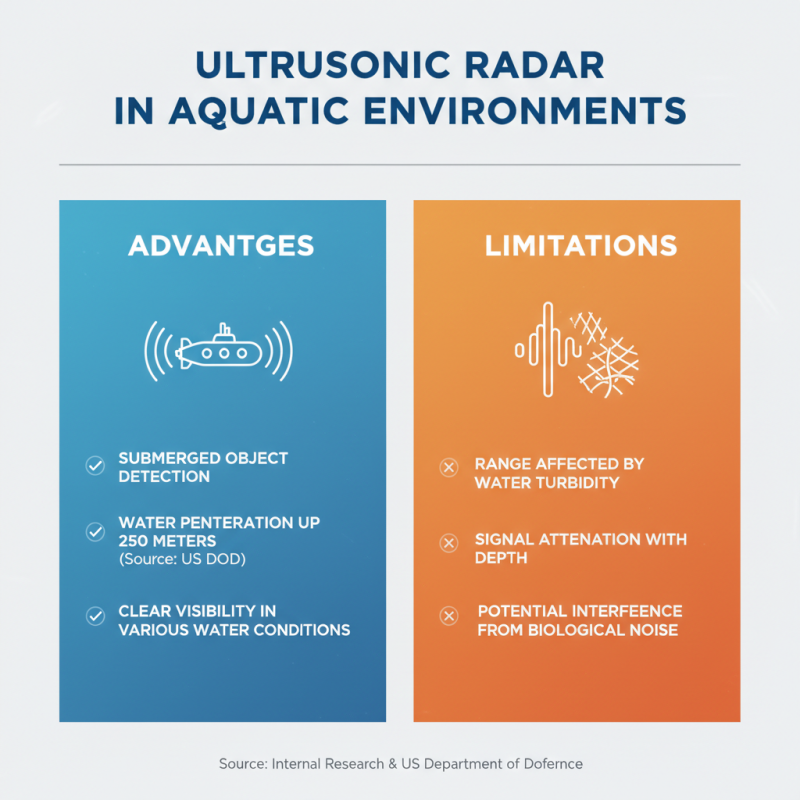
Underwater ultrasonic radar technologies are advancing rapidly. These systems have unique advantages and limitations that buyers should consider. For instance, ultrasonic radars are effective in identifying submerged objects. According to the U.S. Department of Defense, these radars can penetrate water up to 250 meters, offering significant visibility in various conditions.

However, the technology is not without its drawbacks. The accuracy of object detection can decrease with increased water turbidity. A study by the International Acoustic Society indicates that signal degradation occurs at a rate of approximately 30% in murky waters. Additionally, ultrasonic systems can be sensitive to temperature changes, influencing performance in deep waters.

Cost is another factor weighing on buyers' decisions. Implementation can require significant investment, with systems ranging from thousands to millions of dollars. Some buyers may find that these costs outweigh the benefits, especially in areas with low operational demand. While ultrasonic radar offers remarkable capabilities, potential users must carefully evaluate their specific needs and environmental conditions.

Latest Trends in Underwater Imaging and Detection Technologies

The underwater imaging and detection technologies are evolving rapidly. Reports indicate that the global underwater sonar systems market is expected to grow by over 5.6% annually through 2026. Innovations in ultrasonic radar technology enable clearer and more precise imaging underwater, vital for marine research and navigation.

Recent trends show a shift towards integrating artificial intelligence with underwater radar systems. This combination enhances data interpretation, especially in murky waters. The introduction of machine learning algorithms can improve obstacle detection and target identification. However, difficulties remain. Implementing these advanced systems requires significant investment and technical expertise.

Real-world studies have revealed that users often encounter challenges in data accuracy. Some systems struggle in extreme depths or turbulent conditions. As such, buyers must assess the capabilities of different technologies meticulously. Wholesale Underwater Ultrasonic Radar options should meet specific application needs, balancing cost with performance. As technology progresses, the focus will likely intensify on optimizing these systems for various underwater environments.

Regulatory Considerations for Underwater Radar Technology Implementation

Implementing underwater radar technology involves crucial regulatory considerations. Various agencies oversee these technologies to ensure safety and environmental compliance. Every region may have different regulations governing the operation of ODM Underwater Ultrasonic Radar systems. Potential users need to familiarize themselves with local and international standards. For example, the International Maritime Organization (IMO) offers guidelines that can significantly impact how these systems are deployed.

Environmental impact assessments (EIA) play a vital role in regulatory compliance. EIA examines how radar systems might affect marine life and ecosystems. Studies indicate that improper usage of underwater radar can result in unintended disturbances to wildlife. Therefore, stakeholders must prioritize responsible deployment. According to a report by the Maritime Safety Committee, a significant increase in underwater noise levels could disrupt marine ecosystems, necessitating careful planning.

User training and certification are also essential areas of regulatory focus. Operators must be skilled in using ODM Underwater Ultrasonic Radar capabilities effectively. This ensures not only compliance but also accurate data collection and analysis. Regular audits and maintenance checks are recommended to uphold safety standards. Inadequate training can result in damage or ineffective operation, mirroring concerns raised in recent reports on technological deployment failures.

2026 Top Underwater Ultrasonic Radar Technologies for Buyers

Technology Type Frequency Range (kHz) Maximum Range (meters) Resolution (cm) Regulatory Compliance
Pulsed Radar 200 - 600 300 10 ISO 9001
FMCW Radar 300 - 800 500 5 FCC Part 90
Doppler Radar 150 - 400 200 15 IEEE 802.11
Synthetic Aperture Radar (SAR) 500 - 1000 1000 2 NIST STC
Multibeam Echo Sounder 200 - 400 100 20 IHO S-44

Market Forecast: Growth Opportunities for Ultrasonic Radar by 2026

The ultrasonic radar market is at the brink of significant growth. By 2026, advancements in underwater ultrasonic radar technologies will create new opportunities for various sectors. This growth is fueled by increased demand in marine exploration, environmental monitoring, and security applications. As industry players innovate, potential buyers need to stay informed about the latest technologies.

Choosing the right Underwater Ultrasonic Radar Supplier is crucial. Evaluate their track record and the technology's effectiveness. Reliable suppliers invest in research and development. They are more likely to provide cutting-edge solutions. Moreover, consider the support services they offer. User experience can hinge on effective user support and training.

For buyers, it’s essential to understand the nuances of these technologies. Read reviews and seek expert opinions. In a rapidly evolving market, knowing what to expect can make a difference. Don't rush decisions; weigh the pros and cons of various options. Sometimes a less hyped product can outperform big names. Keep an eye on emerging players in the sector as well.

2026 Top Underwater Ultrasonic Radar Technologies Market Forecast

This bar chart displays the projected growth in the underwater ultrasonic radar technologies market from 2023 to 2026. The forecasted figures represent the estimated market size in millions of dollars across different segments of ultrasonic radar applications.

Case Studies: Successful Applications of Underwater Ultrasonic Radar Systems

2026 Top Underwater Ultrasonic Radar Technologies for Buyers?

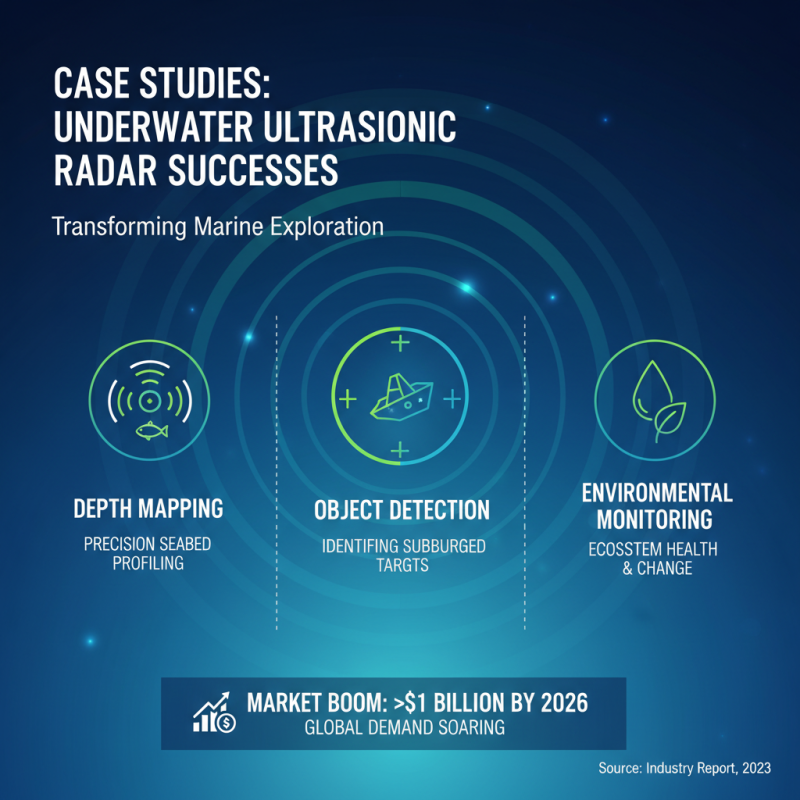
Underwater ultrasonic radar systems have transformed marine exploration. These technologies excel in depth mapping, object detection, and environmental monitoring. A recent industry report indicates that by 2026, the underwater radar market may exceed $1 billion, reflecting rising demand across various sectors.

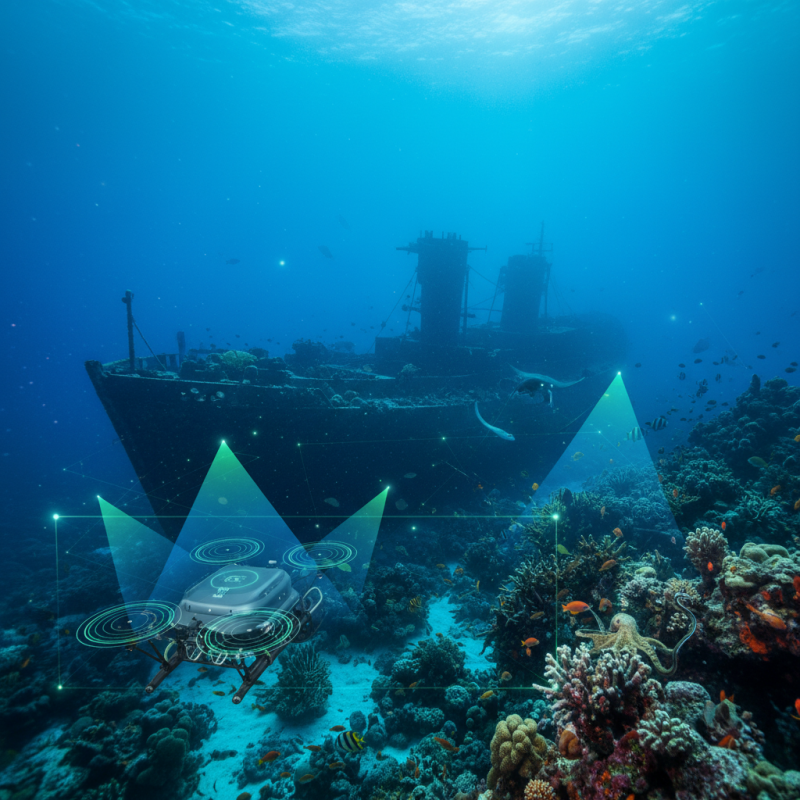
In case studies, researchers successfully employed ultrasonic radar for marine life studies. In one instance, scientists tracked endangered species, which helped refine conservation measures. Another study highlighted the system's role in underwater archaeology. It revealed ancient shipwrecks, showcasing the potential for cultural heritage preservation.

Tips: When selecting an underwater radar system, consider factors like frequency range and resolution. These attributes greatly affect performance in specific applications. Always review case studies to understand real-world efficacy. As technologies advance, continuous evaluation is necessary. Ensure your knowledge stays current to make informed choices.

Innovations in Automotive Safety: The Role of 77GHz Microwave Radar in Blind Spot Detection Systems

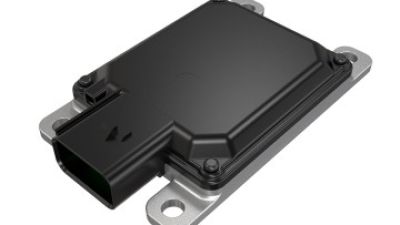
The integration of 77GHz microwave radar technology into Blind Spot Detection systems marks a significant advancement in automotive safety. This innovation addresses one of the most perilous aspects of driving—blind spots. By employing cutting-edge radars, vehicles are now equipped to detect surrounding objects with incredible precision, ensuring that drivers receive timely alerts when changing lanes or merging, thereby reducing the likelihood of accidents.

Key features of the 77GHz radar systems include an impressive detection range of up to 90 meters and a rapid target update rate of 40 milliseconds. This allows for real-time monitoring of the vehicle's surroundings, providing drivers with a nearly instantaneous response to potential hazards. With a remarkable detection accuracy of 99.5%, these systems not only enhance safety but also instill confidence in drivers, knowing that they have reliable assistance at their disposal.

Moreover, the incorporation of robust standards such as AEC-Q100 ensures that these radar systems operate effectively in automotive environments, while an IP67 rating guarantees resistance to dust and water exposure. With the advanced Calterah CAL77S244 processor leading the performance, the future of automotive safety looks promising, highlighting the vital role of technology in enhancing driving experiences.

FAQS

: What are the advantages of ultrasonic radar technologies?

: Ultrasonic radars effectively identify submerged objects and can penetrate water up to 250 meters.

What limitations should buyers consider?

Accuracy decreases in murky waters, with a signal degradation rate of about 30%. Temperature changes also impact performance.

How much do underwater radar systems typically cost?

Costs range from thousands to millions of dollars, depending on the system and features.

What recent trends are emerging in underwater imaging technology?

There's a shift towards integrating artificial intelligence to enhance data interpretation and obstacle detection in murky conditions.

What challenges do users face with advanced sonar systems?

Users report difficulties with data accuracy and performance in extreme depths or turbulent waters.

Why is choosing the right supplier important?

A reliable supplier invests in R&D, provides cutting-edge solutions, and offers essential support services.

How should potential buyers assess different radar technologies?

Evaluate technology effectiveness, read reviews, and seek expert opinions to inform purchasing decisions.

What is expected for the ultrasonic radar market by 2026?

The market is predicted to grow due to increased demand in marine exploration and environmental monitoring.

How can decisions be influenced in this evolving market?

Buyers should not rush; weighing pros and cons can uncover hidden performance among less hyped products.

What should users remember about emerging technologies?

Stay informed about innovations and be open to new players that could provide better solutions than established brands.

Conclusion

The article titled "2026 Top Underwater Ultrasonic Radar Technologies for Buyers" provides a comprehensive overview of the advancements in Underwater Ultrasonic Radar technologies as anticipated by 2026. It highlights key market players, offering insights into the competitive landscape and innovations driving the industry forward. The comparison of various ultrasonic radar technologies elucidates their advantages and limitations, aiding buyers in making informed decisions.

Moreover, the piece delves into the latest trends in underwater imaging and detection technologies, emphasizing their growing importance in various applications. Regulatory considerations are also discussed, ensuring that implementers are aware of compliance requirements. With a forecast of growth opportunities for Underwater Ultrasonic Radar by 2026, including illustrative case studies of successful implementations, this article serves as a valuable resource for stakeholders looking to navigate the evolving market landscape.

Nathan

Nathan

Nathan is a dedicated marketing professional at Zhuhai Shangfu Electric Technology Co., Ltd., where he showcases his extensive expertise in the company's innovative product offerings. With a deep understanding of the technical specifications and applications of their electric technology solutions,......
Previous How to Choose the Best Driver Sleep Detection System?