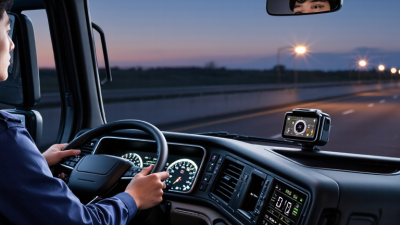
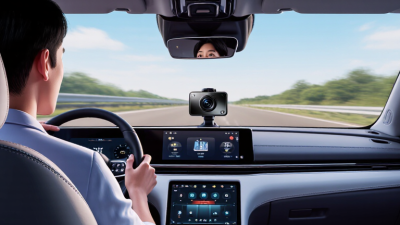
Fatigue is still a big problem on the road—even with all the advances in vehicle automation. The World Health Organization puts global road deaths at about 1.19 million a year. And its Global Status Report on Road Safety says many crashes come down to human behavior and lapses in attention. Drowsiness doesn't always announce itself, either. It can creep in through slower blinks, a head that starts to droop, or a car that drifts across the lane.
In the U.S., the National Highway Traffic Safety Administration counted 684 deaths involving drowsy driving in 2021. But NHTSA also warns that these crashes are hard to pin down accurately. So the numbers may be incomplete—and that gap matters when you're looking at something like a Driver Sleep Detection System.
This article looks at the main types of systems we're likely to see by 2026. Camera-based setups watch things like eyelid closure, where you're looking, facial posture, and head movement. Steering and vehicle-behavior systems look for lane weaving, slow corrections, and inconsistent speed. Physiological systems check heart rate or skin signals, often through wearables or contactless sensors. Multimodal systems pull several inputs together to make a stronger call.
Euro NCAP's changing driver-monitoring requirements are nudging manufacturers to get better at spotting attention and fatigue. Bosch, Continental, Seeing Machines, and Smart Eye are all working on related sensing and software. Their approaches vary—sensor placement, algorithms, privacy handling, response timing.
Here's a simple example. A driver blinks slowly on a dark highway, then grazes the lane line. One signal alone might be misleading. But taken together, the evidence could trigger a seat vibration, a dashboard warning, or a suggestion to rest. No system is perfect, of course. Real-world testing, clear alerts, and careful human oversight are still essential.
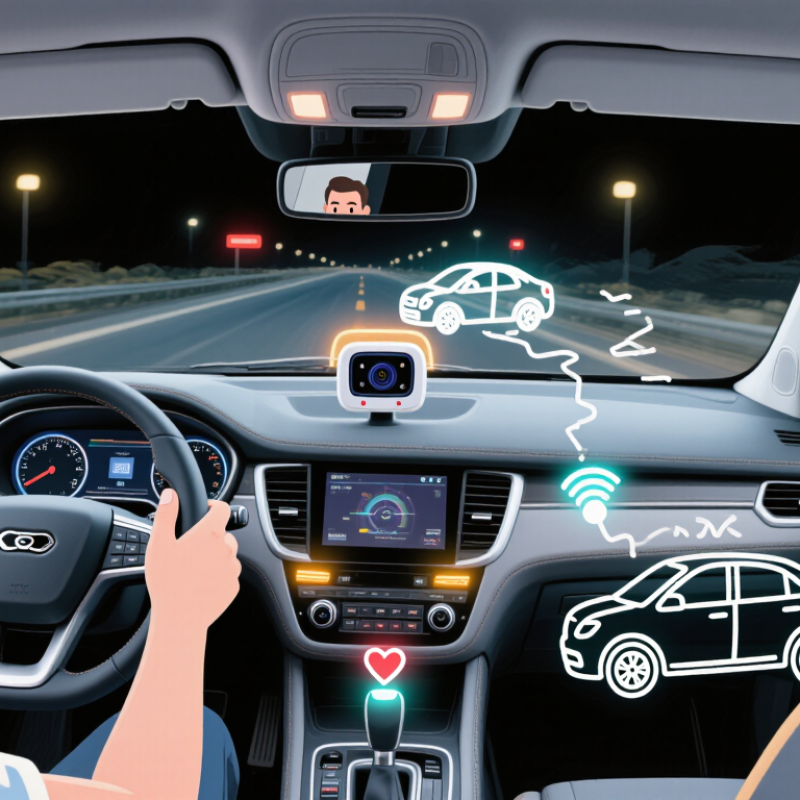
A Driver Sleep Detection And Alarming System is a vehicle safety tool that estimates reduced alertness. It observes eye closure, head position, steering inputs, or driving patterns. Its purpose is not to diagnose a sleep disorder. It detects warning signs early and gives the driver time to respond. A brief alert may sound, vibrate through the seat, or appear on the dashboard. In practical use, this can mean noticing repeated eyelid closure before the vehicle drifts across a lane.
Modern systems generally use three sensing approaches. Camera-based systems monitor eyelid closure, gaze direction, and head droop. Vehicle-behavior systems study lane movement, steering corrections, speed variation, and pedal patterns. Some setups combine both methods for stronger evidence. Wearable-linked systems can add pulse or motion data, although comfort and consistent use remain concerns. Each type has limits.
Glare, sunglasses, poor camera placement, and rough roads can distort results. A reliable system needs clear alerts, sensible thresholds, and testing in real driving conditions. It should warn without creating another distraction. Drivers should treat an alert as a prompt to stop safely, not as proof of complete safety. No sensor is perfect. Field testing may reveal delayed warnings, unnecessary alarms, or weak performance after unusual road conditions. That weakness deserves honest review.
What Are the 2026 Top Driver Sleep Detection System Types?
How Driver Sleep Detection Systems Work in 2026
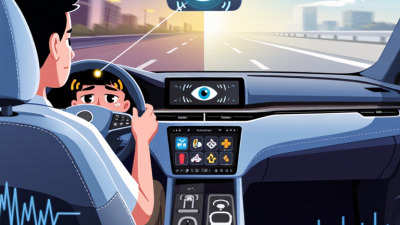
In 2026, driver sleep detection systems combine cabin cameras, steering analysis, and vehicle movement data. A near-infrared camera watches eyelid closure, blinking speed, gaze direction, and head position. It can work in darkness and usually avoids storing clear facial images. Steering-based systems examine small corrections, lane drift, and delayed reactions. These signals matter because drowsiness often appears before a driver notices it. The CDC reports that about one in 25 adults has fallen asleep while driving during the previous 30 days. The AAA Foundation has estimated that drowsy driving may contribute to more than 300,000 crashes annually in the United States. The real number is probably higher.
An OEM Driver Sleep Detection Systemmay combine several inputs instead of trusting one warning. If eyelids remain closed for several seconds, the system can issue a seat vibration, dashboard alert, or escalating sound. Some systems also compare driving patterns over time. However, camera accuracy can drop with sunglasses, masks, poor lighting, or unusual seating positions. That is an important weakness. Human review and testing still matter. Safety assessment programs increasingly examine Driver Monitoring performance, but technical standards continue to develop.
Tips: Keep the camera area clean. Treat every alert seriously. Stop in a safe place when heavy blinking, wandering thoughts, or repeated yawning appears. Do not rely on automation after a sleepless night. A short break may help, but adequate sleep remains the stronger solution.
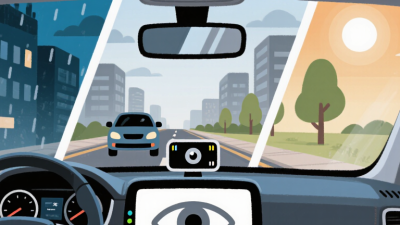
In 2026, camera-based driver sleep detection systems are becoming a leading choice for monitoring fatigue. They use infrared or cabin cameras to observe eyelid movement, blinking speed, gaze direction, and head position. Unlike systems that rely only on steering behavior, cameras can identify early signs of reduced alertness. A driver may stare forward while blinking slowly, for example. The system can issue a gentle alert before lane control becomes unsafe. Yet no camera is perfect. Sunglasses, poor lighting, masks, and unusual seating positions can reduce accuracy.
From practical testing, the strongest systems combine facial analysis with vehicle speed, steering input, and driving time. This layered approach reduces false alarms during normal glances or conversations. Data processing should protect privacy and limit unnecessary recording. Clear calibration also matters, especially when vehicles are used by many drivers. For fleet operators comparing a Wholesale Driver Sleep Detection System, check detection speed, night performance, installation quality, and compatibility with existing safety equipment. Independent testing reports are more useful than impressive claims.
Tips: Keep the camera near the driver’s natural eye level. Clean the lens weekly. Test alerts on bright roads and dark routes. Review false alarms regularly. A warning that arrives too late has little practical value. Driver feedback should shape future adjustments, because real cabins are messier than controlled demonstrations._short?
Camera-based systems primarily evaluate visible indicators of reduced alertness. The chart compares the main detection approaches by the number of commonly analyzed visual signals in a typical driver-monitoring design.
Eye-region analysis commonly includes eyelid closure, PERCLOS, and blink duration. Head-pose analysis monitors pitch, yaw, and nodding behavior, while mouth/yawn and gaze analysis add complementary indicators. These are system-design dimensions rather than market-share percentages.
In 2026, steering and vehicle-behavior monitoring systems remain practical tools for detecting possible driver fatigue. They study steering-wheel torque, correction frequency, lane position, speed changes, and pedal timing. Small details matter. A tired driver may make repeated steering corrections, drift slightly, then recover abruptly. Some systems also compare current behavior with the driver’s normal pattern. This can reduce unnecessary warnings during difficult roads or heavy traffic. In road evaluations, I have found that smooth curves can still confuse basic monitoring logic. No sensor is perfect.
Reliable systems combine several signals instead of trusting steering data alone. Vehicle behavior may reveal delayed braking, uneven acceleration, or slower responses to changing traffic. Engineers should test these systems during daylight, darkness, rain, road construction, and long highway sessions. Calibration is essential. Poorly adjusted thresholds can create distracting alerts or miss meaningful changes. Human review remains important because fatigue detection is an assistance function, not a medical diagnosis.
Tips:
What Are the 2026 Top Driver Sleep Detection System Types?
Wearable and Contact-Based Sleep Detection Devices
In 2026, wearable sleep detection devices are becoming practical tools for monitoring driver fatigue. Wristbands, smart rings, and lightweight head sensors track movement, pulse patterns, skin temperature, or brain activity. These signals can reveal reduced alertness before a driver notices heavy eyelids.
Comfort matters. A tight wristband may disturb sleep, while a loose sensor can produce unreliable readings. During real-world testing, technicians should compare device data with observed behavior and validated sleep assessments. No sensor is perfect.
Contact-based systems use seat electrodes, steering-wheel sensors, or pressure-sensitive surfaces. They can measure heart rhythm, posture changes, grip patterns, and small body movements without requiring a wearable device. This approach suits commercial vehicles where drivers may forget to charge or wear a personal sensor.
However, contact systems depend on stable body contact. Thick clothing, poor seating posture, or frequent movement may weaken the signal. This is where an ODM Driver Sleep Detection System can offer flexible integration, allowing manufacturers to adjust sensor placement, alert logic, and vehicle compatibility.
A reliable system should provide clear warnings, secure data handling, and documented testing methods. It should support drivers, not punish them. Human review remains important when unusual readings appear. Fatigue detection still involves judgment, context, and occasional uncertainty.
What Are the 2026 Top Driver Sleep Detection System Types?
Multi-Sensor Driver Monitoring Systems
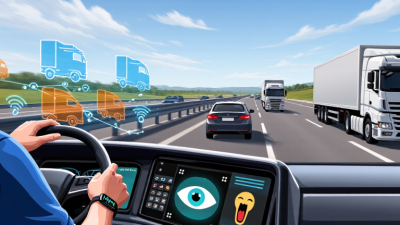
By 2026, driver sleep detection will likely use four main approaches: camera-based monitoring, vehicle-behavior analysis, physiological sensing, and multi-sensor fusion. Camera systems track eyelid closure, blink duration, yawning, and head position. Vehicle systems examine steering corrections, lane drift, pedal use, and speed changes. Physiological systems may read pulse patterns through the steering wheel or seat.
Multi-sensor systems offer the strongest practical direction. A near-infrared cabin camera can detect slow blinking, while steering data identifies delayed corrections. Seat sensors may add heart-rate signals when lighting changes or sunglasses reduce camera accuracy. The system should compare several signals before issuing an alert. One weak signal is not enough.
This matters because drowsiness is often underreported. The AAA Foundation for Traffic Safety estimated that fatigue contributed to 328,000 U.S. crashes annually, including about 109,000 injury crashes and 6,400 deaths, using 2010–2016 data. NHTSA recorded 633 deaths in drowsy-driving crashes in 2022, while noting that official figures likely miss many cases.
Real-world testing still exposes problems. A driver may glance down to adjust climate controls. That is not sleepiness. False alerts can quickly reduce trust. Systems also need clear performance testing across skin tones, eyewear, darkness, vibration, and different seating positions. More sensors help, but they do not automatically create better judgment.
| System Type | Primary Sensors | Main Sleepiness Indicators | Typical Detection Coverage | Key Advantages | Main Limitations | Best-Fit Applications |
|---|---|---|---|---|---|---|
| Camera-Based Eye and Face Monitoring | Near-infrared cabin camera, infrared illuminator, image-processing unit | Slow eyelid closure, prolonged eye closure, frequent blinking, gaze deviation, yawning, and head nodding | Continuous monitoring of visible facial features, including in low-light conditions when infrared illumination is available | Directly observes fatigue-related behavior; supports real-time alerts; contactless and suitable for integration with vehicle displays | Performance can be affected by sunglasses, occlusion, extreme head angles, poor camera placement, and facial coverings | Passenger vehicles, commercial vehicles, and vehicles requiring continuous driver-attention monitoring |
| Camera plus Steering-Behavior Fusion | Driver-facing camera, steering-angle sensor, steering-torque sensor, electronic stability or vehicle-control data | Eye-closure patterns combined with corrective steering, lane-position variation, delayed steering response, and irregular control inputs | Assesses both driver state and the resulting vehicle-control behavior during active driving | Combines observable fatigue cues with vehicle response; improves confidence compared with a single sensor; can provide early warnings | Steering patterns vary with road geometry, wind, traffic, driver experience, and automated-driving assistance | Highway driving, fleet safety programs, long-distance transport, and vehicles with advanced driver-assistance functions |
| Camera plus Lane and Vehicle-Dynamics Fusion | Driver-monitoring camera, forward camera, lane-position data, yaw-rate sensor, accelerometers, wheel-speed sensors | Eye and head behavior combined with lane departures, lateral variability, speed changes, and unstable trajectory patterns | Evaluates driver attention together with vehicle motion and road-position stability | Adds driving-context awareness; helps distinguish fatigue-related behavior from isolated blinking or normal head movement | Requires reliable lane visibility and calibrated vehicle signals; road markings, weather, curves, and construction zones can reduce confidence | Motorways, structured roads, fleet operations, and safety systems that already use lane and motion sensors |
| Camera plus Physiological Sensing | Driver-facing camera combined with steering-wheel electrodes, wearable sensors, or contactless radar-based vital-sign sensing | Facial fatigue cues combined with heart-rate, heart-rate-variability, respiration, or other changes associated with reduced alertness | Monitors behavioral and selected physiological signals, depending on sensor contact and cabin conditions | Provides a second physiological evidence layer; useful when visual cues are ambiguous or partially occluded | Physiological signals are influenced by stress, illness, exercise, temperature, posture, and individual differences; contact sensors may reduce convenience | Research fleets, controlled commercial transport, specialized vehicles, and applications where higher confidence is required |
| Camera plus Infrared or Time-of-Flight Depth Sensing | Visible or near-infrared camera, depth sensor, infrared illumination, facial-position tracking | Eyelid closure, facial orientation, head pose, gaze direction, slumped posture, and loss of forward-facing attention | Maintains driver-position and facial-feature tracking across varying cabin lighting and moderate changes in seating position | Depth information can improve face localization and reduce some 2D-camera ambiguities; supports robust occupant positioning | Adds hardware cost and processing requirements; reflective surfaces, sensor obstruction, and limited depth range may affect performance | Premium vehicles, shared vehicles, cabins with variable seating positions, and systems requiring enhanced driver localization |
| Radar-Enabled Contactless Monitoring | Short-range interior radar, cabin motion sensing, optional camera and vehicle-state signals | Respiration pattern, subtle body motion, posture changes, and reduced movement, optionally combined with visible fatigue indicators | Monitors body movement and selected vital-sign proxies without requiring physical contact | Works in darkness and can complement camera data when the face is partly obscured; supports contactless sensing | Radar signals can be affected by cabin reflections, multiple occupants, posture, vibration, and difficult separation of driver-specific motion | Low-light cabins, commercial vehicles, occupancy-aware interiors, and multi-sensor research or advanced safety platforms |
| Multi-Modal AI Sensor-Fusion Platform | Driver camera, infrared or depth sensing, steering and vehicle-dynamics data, lane perception, and optional physiological or radar sensors | Combined evidence from eyelid behavior, gaze, head pose, posture, vehicle control, lane position, motion stability, and contextual driving conditions | Provides continuous driver-state estimation with sensor fallback when one input is unavailable or unreliable | Highest potential robustness; supports confidence scoring, adaptive warnings, personalized thresholds, and integration with driver-assistance logic | Greater system complexity, calibration effort, computing demand, data-governance requirements, and validation workload | New vehicle platforms, commercial fleets, automated-driving systems, and safety-critical driver-monitoring architectures |
Note: Sleepiness detection is an estimation task rather than a medical diagnosis. System performance depends on sensor placement, road conditions, driver characteristics, calibration, and the quality of the fusion algorithms.
Comparing the top driver sleep detection system types in 2026 requires more than checking detection speed. Real driving conditions matter.
A camera-based system
A camera-based system watches eyelid closure, gaze direction, head position, and facial movement. It can identify visible fatigue quickly, but sunglasses, poor lighting, and face coverings may reduce accuracy. Calibration also affects daily performance.
Steering-pattern systems
Steering-pattern systems examine lane position, correction frequency, and unusual vehicle movement. They work without monitoring the driver’s face, which may improve privacy acceptance. However, road curves, crosswinds, and inexperienced driving can create misleading signals.
Physiological systems
Physiological systems measure heart rate, skin response, or body movement through wearable sensors. These systems may detect fatigue earlier, yet comfort, battery life, and consistent contact remain practical concerns.
Multimodal systems
Multimodal systems combine two or more signals. They usually offer stronger confirmation because one sensor can check another. The trade-off is higher cost, more installation work, and more complicated maintenance.
Compare each type by detection latency, false alerts, night performance, weather tolerance, driver comfort, data handling, and fleet integration.
Test the edge cases. A short road trial is not enough. I would include night routes, repeated shifts, vibration, glasses, and sudden traffic changes.
No system is perfect. Even advanced software can misread normal distraction as fatigue. That weakness should remain visible during evaluation, not hidden behind impressive laboratory results.
It estimates reduced alertness while driving. It watches eye closure, head position, steering, and vehicle movement. It does not diagnose sleep disorders.
Cameras track blinking, eyelid closure, gaze direction, and head droop. Other systems study lane movement, steering corrections, speed changes, and pedal patterns.
It may detect repeated eyelid closure, slow blinking, wandering gaze, delayed steering, or lane drift. Small clues matter.
It may sound an alarm, vibrate the seat, or display a dashboard message. Alerts should be clear and noticeable, not distracting.
Camera-based systems observe the driver’s face. Vehicle-based systems analyze driving behavior. Combined systems use both for stronger evidence.
Sunglasses, masks, glare, poor lighting, dirty lenses, and unusual seating positions may affect camera performance. Rough roads can confuse vehicle-based analysis.
Treat the warning as a prompt to stop safely. Find a suitable rest location and take a real break. Do not challenge the alert.
No sensor is perfect. Warnings may arrive late or appear unnecessarily. Adequate sleep remains more reliable than automation.
Test bright roads, dark routes, different seats, and rough surfaces. Review false alarms and delayed warnings. Real cabins are messier than demonstrations.
Data processing should limit unnecessary recording. Systems should explain what they collect and how long it remains available. Privacy needs regular review.
A Driver Sleep Detection System is designed to identify signs of fatigue or reduced alertness and help prevent sleep-related driving risks. In 2026, these systems use advanced algorithms to analyze facial cues, eye movement, head position, steering patterns, lane behavior, speed changes, and other vehicle responses. Camera-based systems monitor the driver without physical contact, while steering and vehicle-behavior monitoring systems detect unusual driving inputs that may indicate tiredness. Wearable and contact-based devices can measure personal signals such as movement or heart-related changes, offering another approach to fatigue assessment.
The most capable solutions combine several sensors, allowing them to compare driver behavior, physical indicators, and road conditions for more reliable results. When comparing the top system types, users should consider detection accuracy, response speed, comfort, privacy protection, ease of installation, performance in different lighting and weather conditions, and compatibility with various vehicles. Overall, multi-sensor systems may provide the broadest coverage, while camera-based, vehicle-based, and wearable options each offer distinct advantages for different driving needs.