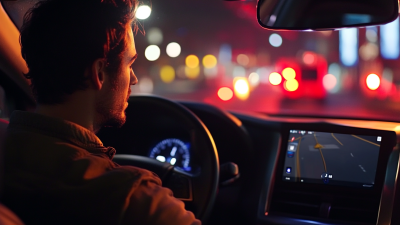
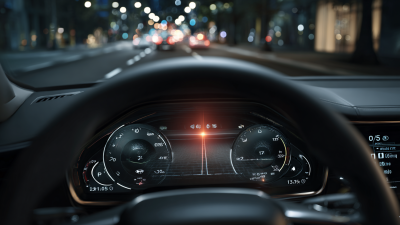
As the auto industry keeps changing at a lightning-fast pace, it’s pretty clear just how important a Driver Inattention Monitoring System (DIMS) really is. Experts like Dr. Emily Larson from Autonomous Driving Innovations often say, "Driver attention is absolutely crucial for keeping everyone safe on the road." That really drives home how urgent it is to develop and prioritize systems that can pick up on inattention in real time.
By 2026, it looks like DIMS will be a standard part of vehicle safety features. Thanks to advances in machine learning and smarter sensors, these systems are getting better all the time. The goal? Cut down on crashes caused by drivers getting distracted. But, of course, it’s not all smooth sailing—there’s the tricky issue of balancing safety with privacy.
While DIMS show a lot of promise, they’re not perfect yet. Detecting inattentiveness still needs some fine-tuning to get it just right. Plus, fitting these systems into all kinds of different vehicles can be pretty complicated logistically. We need ongoing improvements if these techs are truly going to make a meaningful difference in driver safety. The industry’s got its work cut out for it, but facing these challenges head-on is the best way to build trust and make sure these systems actually work well.
Current State of Driver Inattention Monitoring Systems in 2026
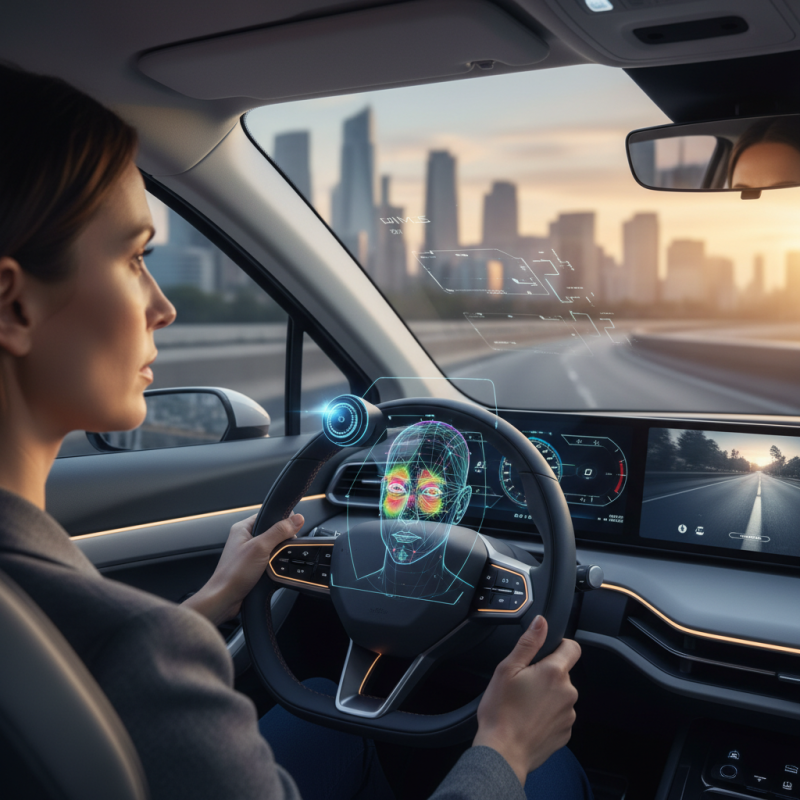
As we move into 2026, the landscape of driver inattention monitoring systems evolves rapidly. These systems now leverage advanced technologies such as AI and machine learning. Cameras and sensors track driver behavior continuously. An alarming trend is the increasing prevalence of distractions such as smartphones and infotainment systems. This creates challenges for designers aiming to enhance road safety.
Current monitoring systems primarily focus on facial recognition and eye-tracking technologies. They provide real-time feedback to drivers when signs of inattention arise. However, these systems are not foolproof. There are still concerns about their accuracy and reliability in various driving environments. For instance, low-light conditions may hinder the effectiveness of these monitoring systems. Many users report hesitation about the invasion of privacy as cameras monitor their every move.
Moreover, some drivers still resist adopting these technologies. They often question the trade-off between safety and personal freedom. This skepticism can impede widespread implementation. Engineers and researchers must engage with the public to address these concerns effectively. A more transparent approach could help bridge the gap between technology and user acceptance. As 2026 progresses, the challenge remains to refine these systems while gaining drivers' trust.
2026 Driver Inattention Monitoring System Trends
This chart illustrates the projected advancements in driver inattention monitoring technologies for the year 2026. The data is segmented into key features that contribute to the effectiveness of monitoring systems.
Key Technologies Driving Inattention Detection in Vehicles
Driver inattention remains a significant challenge in automotive safety. As technology evolves, several key innovations are emerging in inattention detection systems. These systems are vital for preventing accidents caused by distracted drivers. One major trend is the use of advanced camera systems. These cameras analyze driver eye movements and facial expressions, providing real-time feedback. They can detect signs of drowsiness or distraction. This capability is crucial for OEM Driver Inattention Monitoring Systems.
Another important technology is biometric monitoring. This system uses sensors to track heart rate and skin conductivity. Changes in these metrics can indicate moments of inattention or fatigue. By integrating biometric data, vehicles can respond faster, alerting drivers before dangerous situations arise. Additionally, artificial intelligence (AI) plays a pivotal role. AI algorithms can learn from driver behavior patterns over time. This personalized approach enhances the accuracy of inattention alerts.
Despite these advancements, challenges remain. For instance, false positives can lead to driver frustration. Drivers may question the system's reliability, impacting their trust. It is essential to continually refine the algorithms to minimize these errors. Balancing safety with user experience is key in the evolution of inattention monitoring. As the industry moves forward, addressing these imperfections will ensure a safer driving environment.
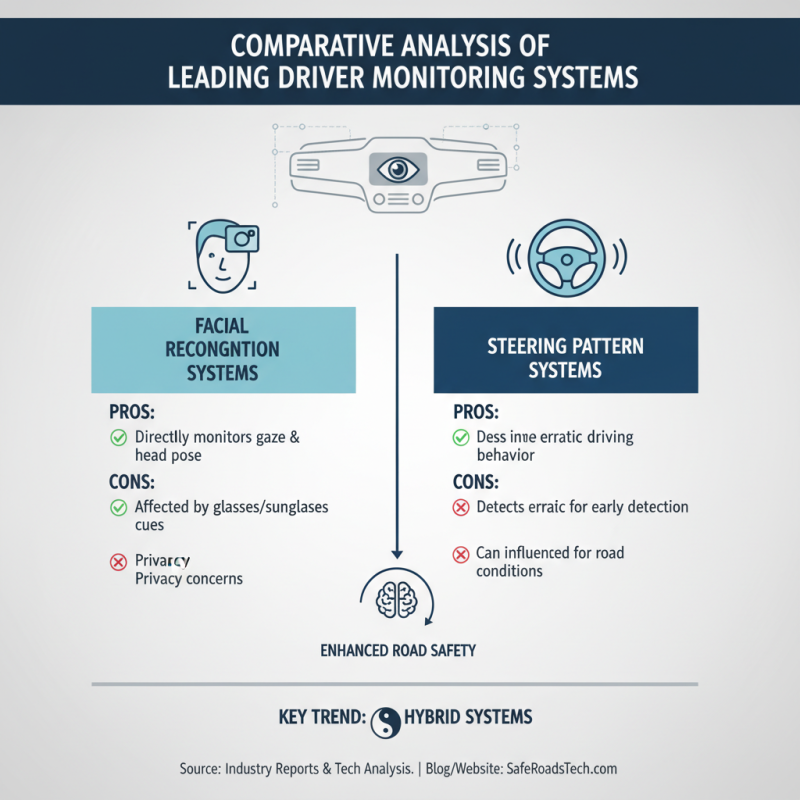
Comparative Analysis of Leading Driver Monitoring Systems
In recent years, driver inattention monitoring systems have gained significant attention. These systems aim to enhance road safety by detecting signs of driver distraction or drowsiness. A comparative analysis of leading Driver Monitoring systems reveals various strengths and weaknesses. Some systems rely heavily on facial recognition technology, while others prioritize steering patterns.
The effectiveness of these systems varies, depending on the technology used. For instance, systems that integrate real-time data with machine learning algorithms are often more responsive. However, many struggle with accuracy in complex environments, such as heavy traffic or poor lighting. This raises questions about their reliability in critical situations.
Moreover, the evolving landscape of driver inattention monitoring underlines the need for continuous improvement. Many systems are still in development stages, prompting discussions about best practices. Stakeholders should consider the relationship between Wholesale Driver Inattention Monitoring Systems and overall vehicle safety enhancements. The future of these technologies lies in their adaptability and responsiveness. Balancing innovation with real-world applicability remains a challenge for manufacturers and developers alike.
User Experience and Interface Design Trends in 2026
In 2026, user experience and interface design for driver inattention monitoring systems will evolve significantly. The focus is on creating intuitive interfaces that enhance driver engagement. Users expect systems that are easy to understand and interact with. Interfaces need to display clear alerts without causing distractions. Subtle visual cues can be effective, alerting drivers while maintaining their focus on the road.
Incorporating personalized options will become essential. Drivers may want customizable settings tailored to their preferences. A balance between information and simplicity will be crucial. Users will demand interfaces that adapt in real time to their state of alertness. Information overload can lead to frustration. Developers must ensure that notifications are timely and contextually relevant, rather than intrusive.
However, challenges remain. Not all users respond the same way to alerts. Designing for diverse user reactions is complex. Some may find the feedback helpful, while others could feel overwhelmed. Striking the right balance will take ongoing research and testing. Continuous user input is vital for improving these systems. Therefore, understanding user experiences will shape the future development of driver monitoring technologies.
Regulatory and Safety Standards Affecting Driver Monitoring Systems
Regulatory frameworks are crucial for the development of driver monitoring systems. The rise in traffic accidents has prompted authorities to enforce stricter standards. As a result, many companies are developing solutions to meet these requirements. The ODM Driver Inattention Monitoring System exemplifies this trend by focusing on monitoring driver behavior in real time.
Safety standards play a vital role in shaping technology. The push for enhanced safety features influences the design principles of these systems. For instance, systems must be able to detect fatigue and distraction effectively. This means incorporating advanced sensors and algorithms that can assess driver attention with precision. It can be challenging to achieve consistent accuracy across different driving conditions.
Despite progress, there are issues that need addressing. Not all systems perform well under diverse circumstances. Factors like lighting and road conditions can affect performance. Moreover, privacy concerns remain a critical discussion point. Striking a balance between safety and respecting user privacy is essential. Continuous improvement is necessary to ensure these systems meet both regulatory standards and driver needs.
Future Innovations and Predictions for Driver Inattention Technologies
The landscape of driver inattention monitoring systemsis rapidly evolving. Innovations are emerging as the focus on road safety intensifies. Engineers and researchers are exploring advanced technologies to detect Driver Drowsiness, distraction, and cognitive overload. These systems use various methods, includingfacial recognition and biometric data, to assess a driver’s attentiveness. With this technology, real-time alerts can prompt drivers to refocus. These solutions will likely enhance safety metrics significantly.
As we look ahead to 2026, predictions suggest an even greater integration of artificial intelligence in monitoring systems. A shift towards more adaptive technologies is expected. Future systems could learn individual driving habits, tailoring interventions based on personal patterns. However, the challenges remain. Reliability is vital; systems must reduce false alarms to avoid frustrating users. The cooperation between vehicle manufacturers and Driver Inattention Monitoring System Suppliers will be critical to address these concerns and achieve seamless implementation. Engaging users in feedback could provide insights for continuous improvement.
Impact of AI and Machine Learning on Monitoring System Effectiveness
The role of AI and machine learning in driver inattention monitoring systems is becoming crucial. Recent studies indicate that these technologies can reduce accidents caused by distracted driving by up to 30%. Such statistics reflect a significant shift in how we approach vehicle safety.
AI algorithms analyze driver behavior in real-time. They can detect signs of drowsiness or distraction through facial recognition and eye-tracking features. This data is foundational for developing responsive systems that can alert drivers effectively. However, the effectiveness of these systems largely relies on the quality of data they are trained on. Inconsistent data can lead to misleading results, posing a challenge for manufacturers and developers.
Machine learning models require continuous refinement. They must adapt to diverse driving environments and individual behaviors. Data from the National Highway Traffic Safety Administration suggests that driver monitoring systems have a varying success rate based on user demographics. For some, these systems may underperform, highlighting a need for more personalized approaches in future designs. This reflection emphasizes the ongoing evolution and potential shortcomings of current monitoring technologies.
Enhancing Security and Peace of Mind with an Advanced 4-Image Camera Monitoring System
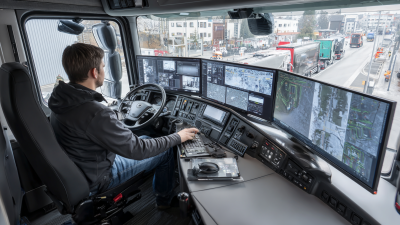
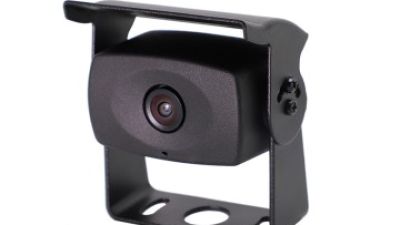
The advancement of security technology has reached new heights with the introduction of a sophisticated 4-image camera monitoring system, designed specifically to enhance safety and provide peace of mind. This innovative system consists of four strategically placed cameras that feed real-time video to a central display terminal. Users can monitor their surroundings effectively, thanks to the split-screen feature, which offers a seamless view of multiple camera feeds simultaneously. This capability is crucial for drivers, particularly when reversing or turning, as it allows for quick access to steering and reversing signals, ensuring a safer driving experience.
At the heart of this monitoring system lies an embedded processor paired with an efficient operating system, which leverages cutting-edge H.264 video compression technology. This means that not only is the video quality superior, but it also allows for efficient storage of the footage captured. The system's design emphasizes durability, featuring high temperature resistance and vibration resistance to withstand various environmental conditions. With a user-friendly appearance and robust functionality, it operates stably, making it an ideal choice for enhancing security in various settings, from residential homes to commercial properties.
FAQS
: These systems aim to enhance road safety by detecting driver distraction or drowsiness.
They analyze driver eye movements and facial expressions, providing real-time feedback on attention levels.
They track heart rate and skin conductivity to detect moments of inattention or fatigue.
AI learns from driver behavior, improving the accuracy of inattention alerts over time.
False positives can frustrate drivers, leading to trust issues and impacting their experience.
Systems using real-time data with machine learning are often more responsive but may struggle in complex environments.
Inconsistent data can lead to misleading results, posing challenges for developers to ensure reliability.
Continuous refinement is needed to adapt to diverse driving environments and individual behaviors effectively.
These systems may underperform for certain demographics, highlighting the need for personalized design approaches.
It reflects potential shortcomings and the importance of balancing innovation with real-world applicability in vehicle safety.
Conclusion
The article explores the "2026 Top Driver Inattention Monitoring System Trends and Insights," presenting a comprehensive overview of the current state and advancements in driver inattention monitoring systems. It highlights key technologies that enhance inattention detection, offering a comparative analysis of leading systems while emphasizing emerging user experience and interface design trends. The discussion also encompasses regulatory and safety standards shaping these systems, as well as future innovations driven by artificial intelligence and machine learning that are poised to improve system effectiveness.
As the automotive industry evolves, the article predicts significant advancements in Driver Inattention Monitoring Systems, focusing on their integration into vehicles to enhance safety and driver experience. The insights provided serve as a guide for stakeholders to understand the trajectory of inattention monitoring technologies and their critical role in ensuring road safety in the coming years.

 Front & Rear Parking Assist
 Automatic Parking Assist
 Wade Sensor System
 79GHz Kick Step-on Open System
 79GHz Door Open Warning System
 77GHz Blind Spot Detection
 77GHz Long Range Detection
 60GHz Child Presence Detection
 360 Panoramic Camera
 Driver Fatigue Monitoring System
 Dash Camera
 ADAS Camera
 Streaming Rearview Mirror
 Self Cleaning Camera
 Car Radio
 Infotainment System
 Wireless Charger
 Ultrasonic Sensors System
 4-Image Camera Monitoring System
 Driver Fatigue Monitoring System
 77GHz Blind Spot Detection
 ADAS Camera
 Camera Monitoring System